
Category: Medications - Page 3
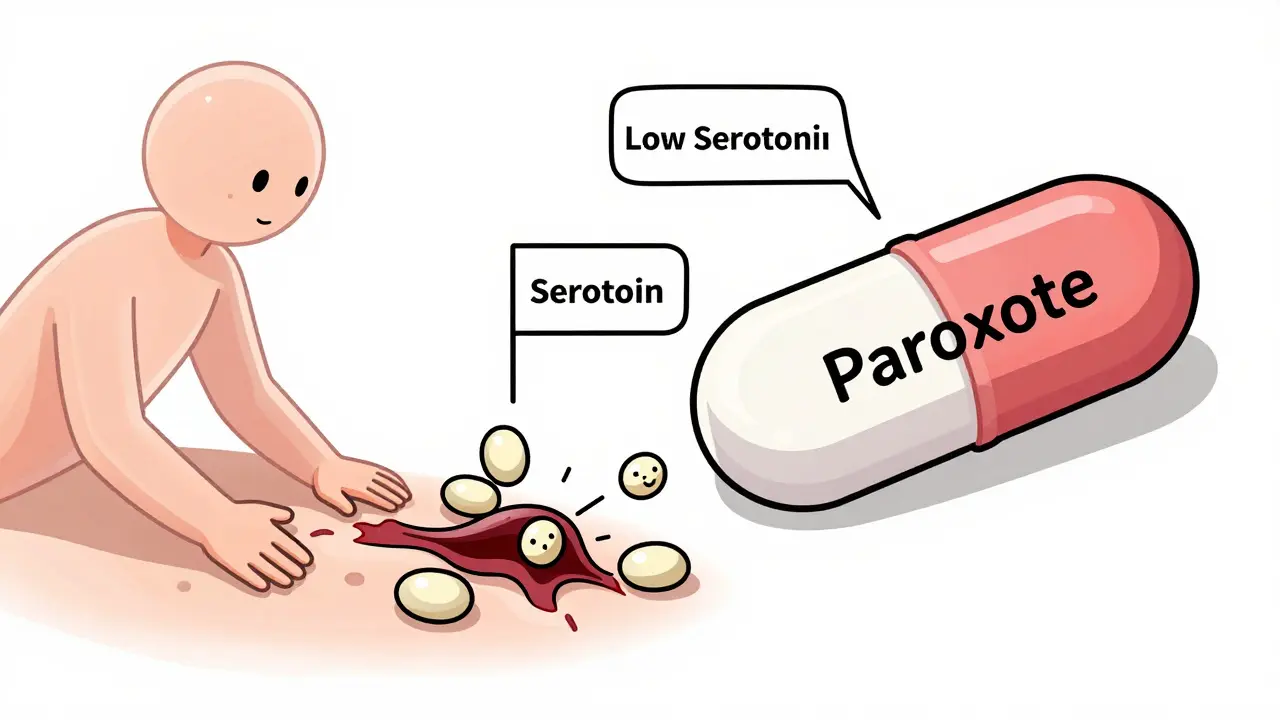
Bleeding Risk from SSRIs: How Platelet Dysfunction Increases Bleeding Danger
- Jan, 18 2026
- Daniel Remedios
- 13 Comments
SSRIs can increase bleeding risk by reducing serotonin in platelets, impairing clotting. Paroxetine poses the highest risk; sertraline is safer. Know your signs, avoid NSAIDs, and talk to your doctor before surgery.

Anticholinergics: How These Common Medications Affect Memory and Cause Dry Mouth
- Jan, 17 2026
- Daniel Remedios
- 13 Comments
Anticholinergics like oxybutynin and diphenhydramine can cause memory loss, brain shrinkage, and severe dry mouth - especially in older adults. Learn which drugs are riskiest, safer alternatives, and how to protect your brain.
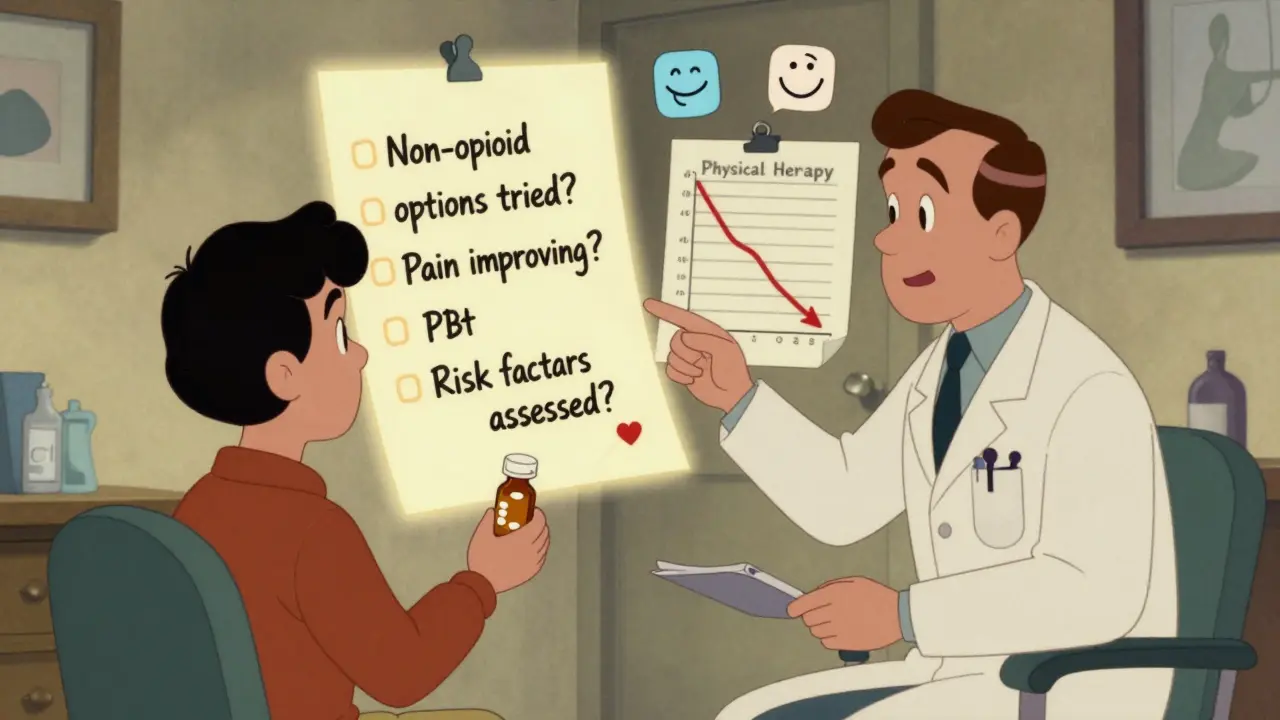
Opioid Therapy: When It’s Right and When It’s Dangerous
- Jan, 16 2026
- Daniel Remedios
- 15 Comments
Opioid therapy can help with severe pain but carries serious risks of dependence and overdose. Learn when it’s appropriate, who’s most at risk, and how to use it safely under current medical guidelines.

Lupus Arthritis and Hydroxychloroquine: How This Medication Reduces Joint Inflammation and Protects Against Flares
- Jan, 13 2026
- Daniel Remedios
- 8 Comments
Hydroxychloroquine is the cornerstone treatment for lupus arthritis, reducing joint inflammation, preventing flares, and protecting against heart disease and organ damage-with fewer side effects than steroids or biologics.
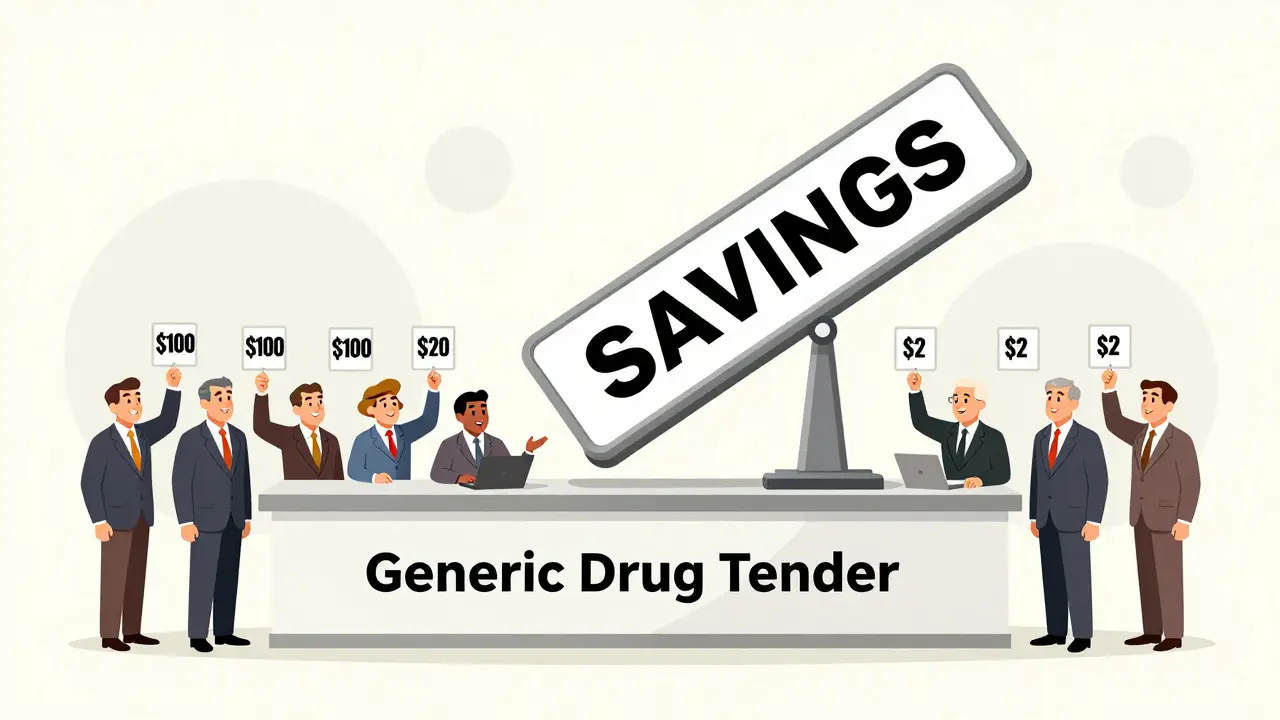
How Insurers Save Millions on Generic Drugs Through Bulk Buying and Tendering
- Jan, 9 2026
- Daniel Remedios
- 14 Comments
Insurers save billions on generic drugs through bulk buying and tendering-secret bidding systems that cut prices by up to 90%. But hidden fees and opaque pricing often leave patients paying more than necessary.
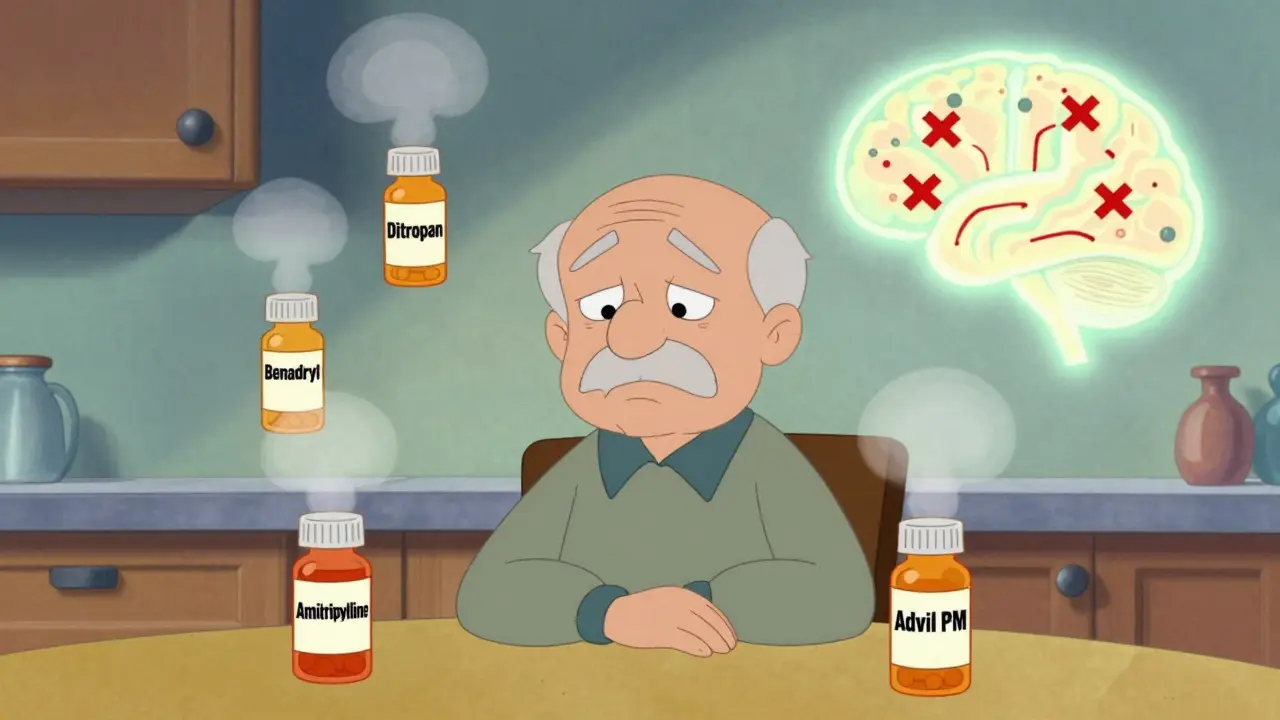
Anticholinergic Burden in Older Adults: How Common Medications Affect Memory and Thinking
- Jan, 7 2026
- Daniel Remedios
- 9 Comments
Common medications for allergies, bladder issues, and sleep may increase dementia risk in older adults. Learn how anticholinergic burden affects memory, which drugs to watch for, and what to do next.
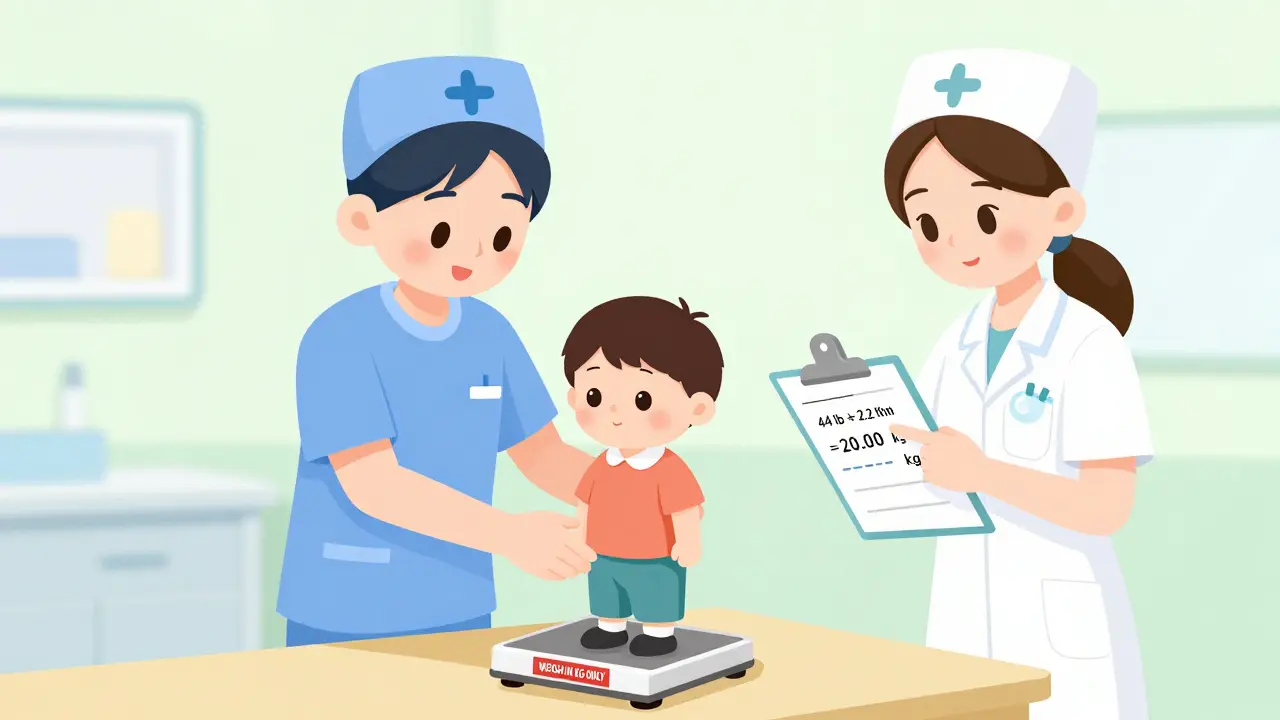
Pediatric Dosing: Weight-Based Calculations and Double-Checks for Medication Safety
- Jan, 5 2026
- Daniel Remedios
- 9 Comments
Weight-based pediatric dosing is the gold standard for medication safety in children. Learn how to calculate doses correctly, why double-checks save lives, and how to avoid the most common errors that lead to harm.
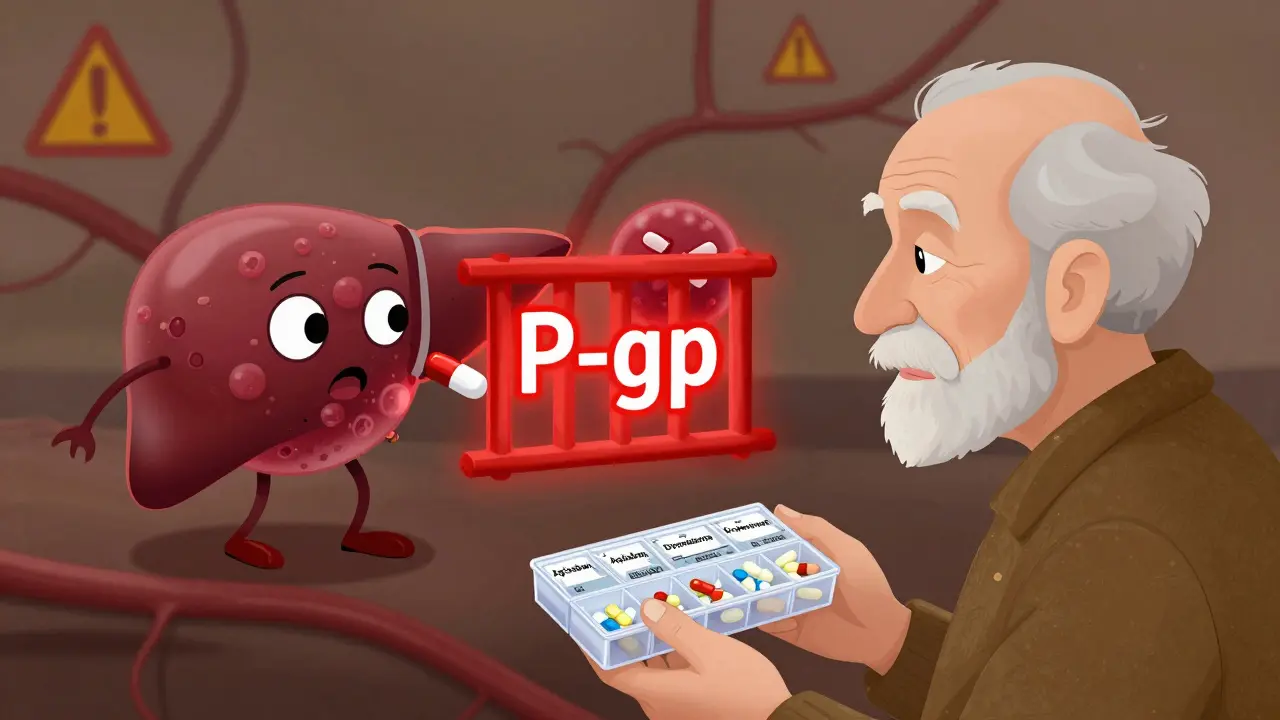
DOAC Interactions with Other Medications: What You Need to Know
- Jan, 4 2026
- Daniel Remedios
- 11 Comments
DOACs like apixaban and rivaroxaban are safer than warfarin but still carry serious interaction risks with common meds like amiodarone, NSAIDs, and St. John’s wort. Know the risks, check every new drug, and never assume it's safe.

St. John’s Wort and Prescription Drugs: What You Need to Know About Dangerous Interactions
- Dec, 30 2025
- Daniel Remedios
- 9 Comments
St. John’s Wort may help with mild depression, but it can dangerously reduce the effectiveness of birth control, antidepressants, transplant drugs, and more. Learn which medications it interferes with and what to do instead.

Desloratadine vs Loratadine: Which Antihistamine Is Better for Allergy Relief?
- Dec, 29 2025
- Daniel Remedios
- 11 Comments
Desloratadine and loratadine are both non-sedating antihistamines for allergies, but desloratadine is more potent, longer-lasting, and better for nasal congestion and kids over 1 year old. Learn the key differences in side effects and dosing.