
Category: Medications - Page 2
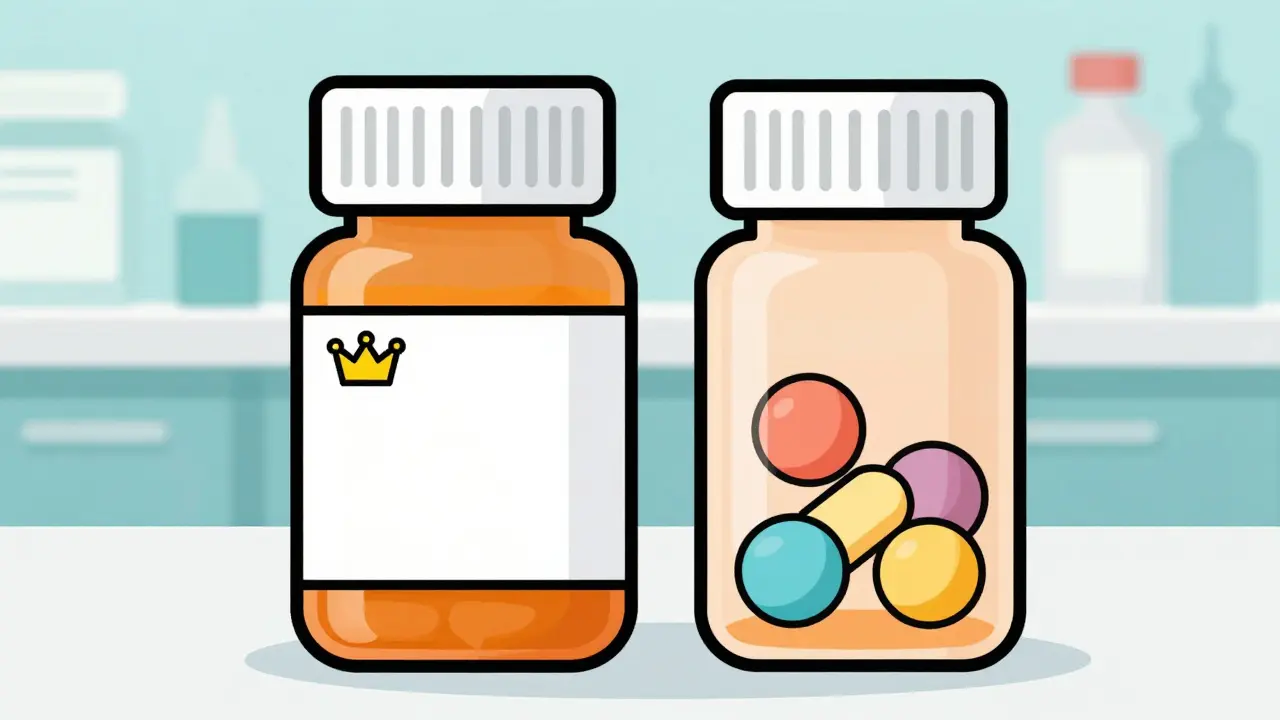
Authorized Generics Explained: Same Drug, Different Label
- Feb, 4 2026
- Daniel Remedios
- 10 Comments
Authorized generics are identical to brand-name drugs but sold under generic labels. Learn how they differ from traditional generics, why manufacturers use them, and what patients should know.
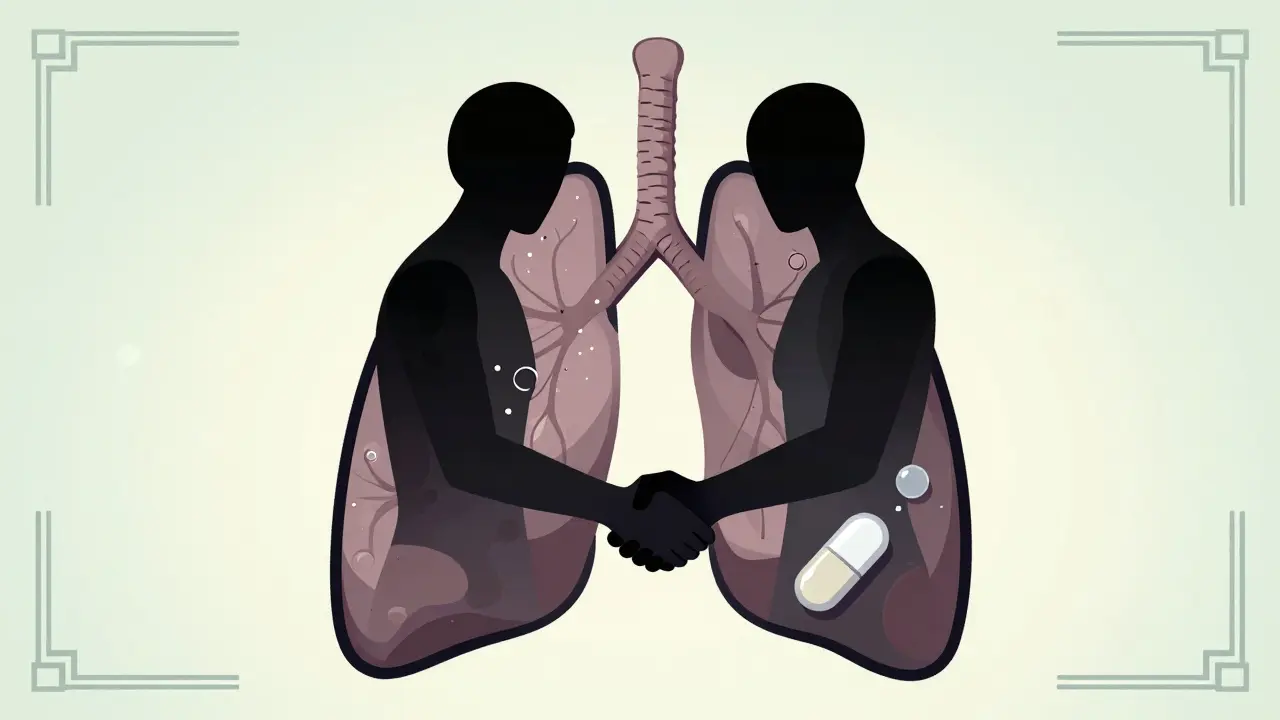
Opioids and Benzodiazepines: The Deadly Breathing Risk When Used Together
- Feb, 3 2026
- Daniel Remedios
- 11 Comments
Combining opioids and benzodiazepines can dangerously slow or stop breathing, leading to fatal overdose. Learn why this drug combo is so risky, what the data shows, and what to do if you're taking both.
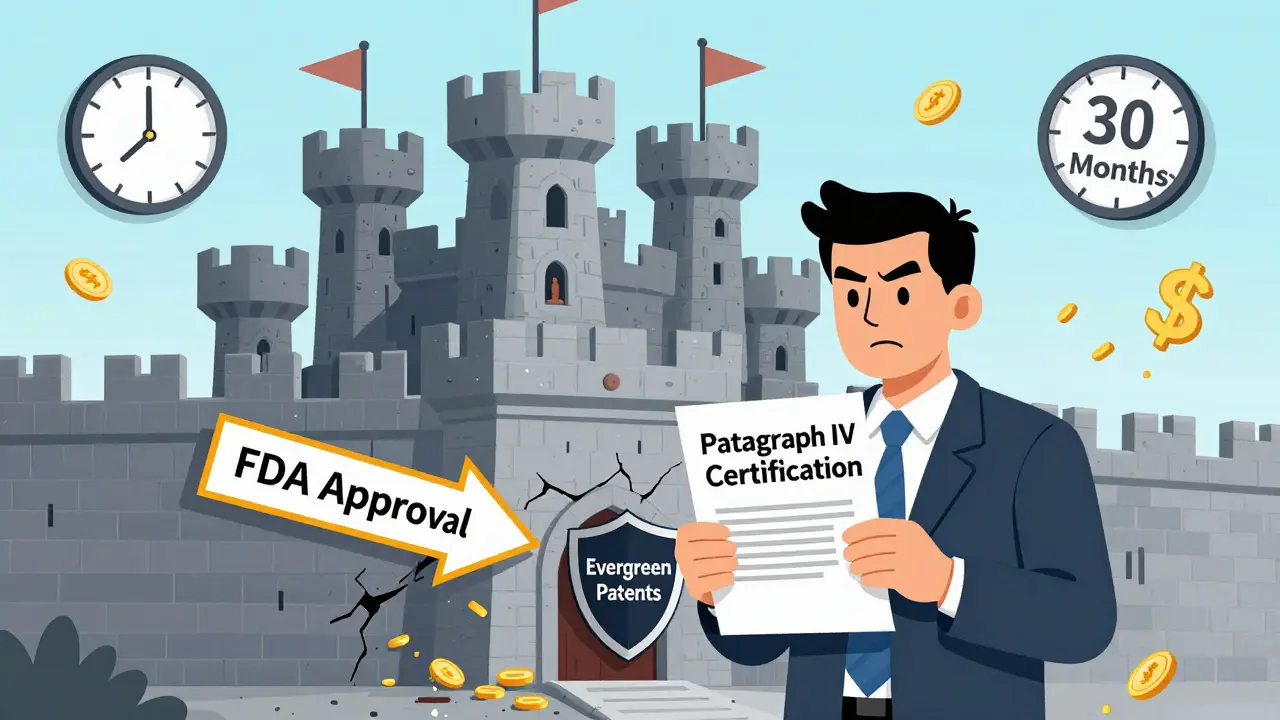
How Paragraph IV Patent Challenges Speed Up Generic Drug Entry
- Feb, 1 2026
- Daniel Remedios
- 0 Comments
Paragraph IV under the Hatch-Waxman Act lets generic drug makers challenge weak patents to speed up affordable drug access. Learn how it works, why it matters, and how it saves billions in healthcare costs.
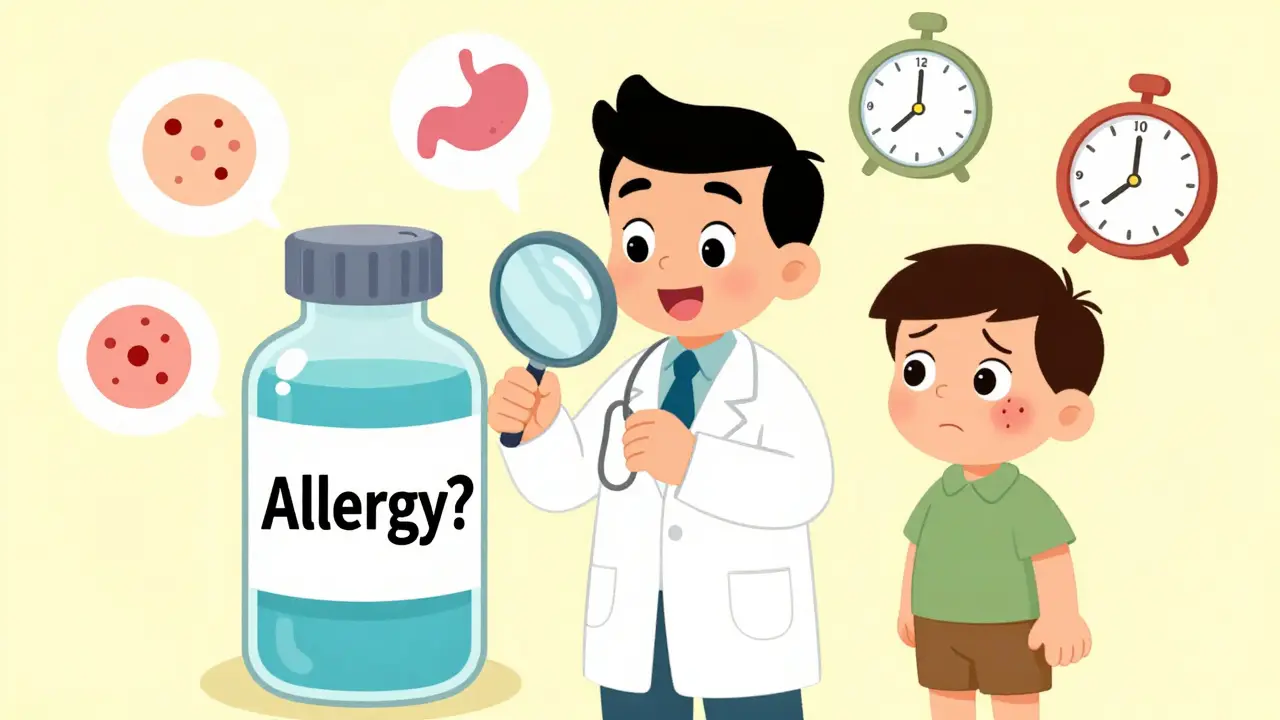
Penicillin Allergies: What Patients Need to Know for Safety
- Jan, 31 2026
- Daniel Remedios
- 9 Comments
Most people who think they're allergic to penicillin aren't. Learn the truth about penicillin allergies, how to get tested, and why clearing your label could save your life-and help fight antibiotic resistance.
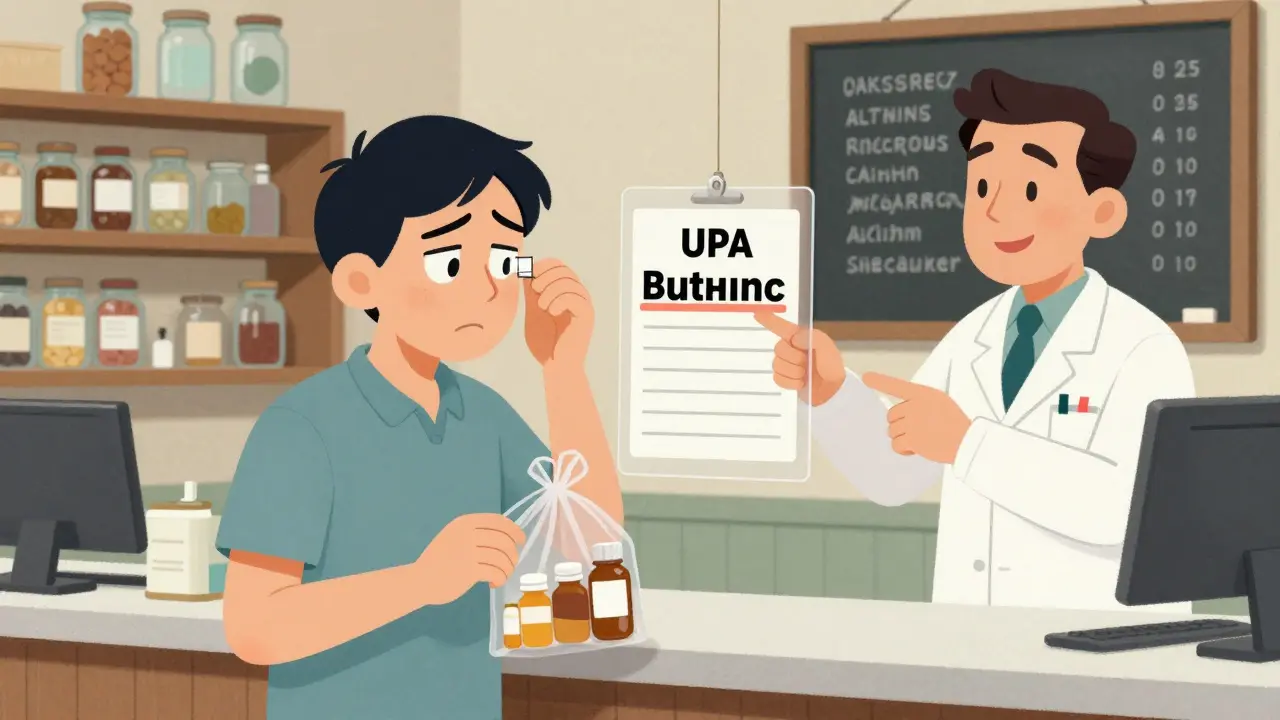
How to Audit Your Medication Bag before Leaving the Pharmacy: A Simple 7-Step Safety Check
- Jan, 30 2026
- Daniel Remedios
- 9 Comments
Learn the 7-step medication bag audit to prevent dangerous pharmacy errors. Check your name, dosage, expiration, and more before leaving the pharmacy to protect your health.
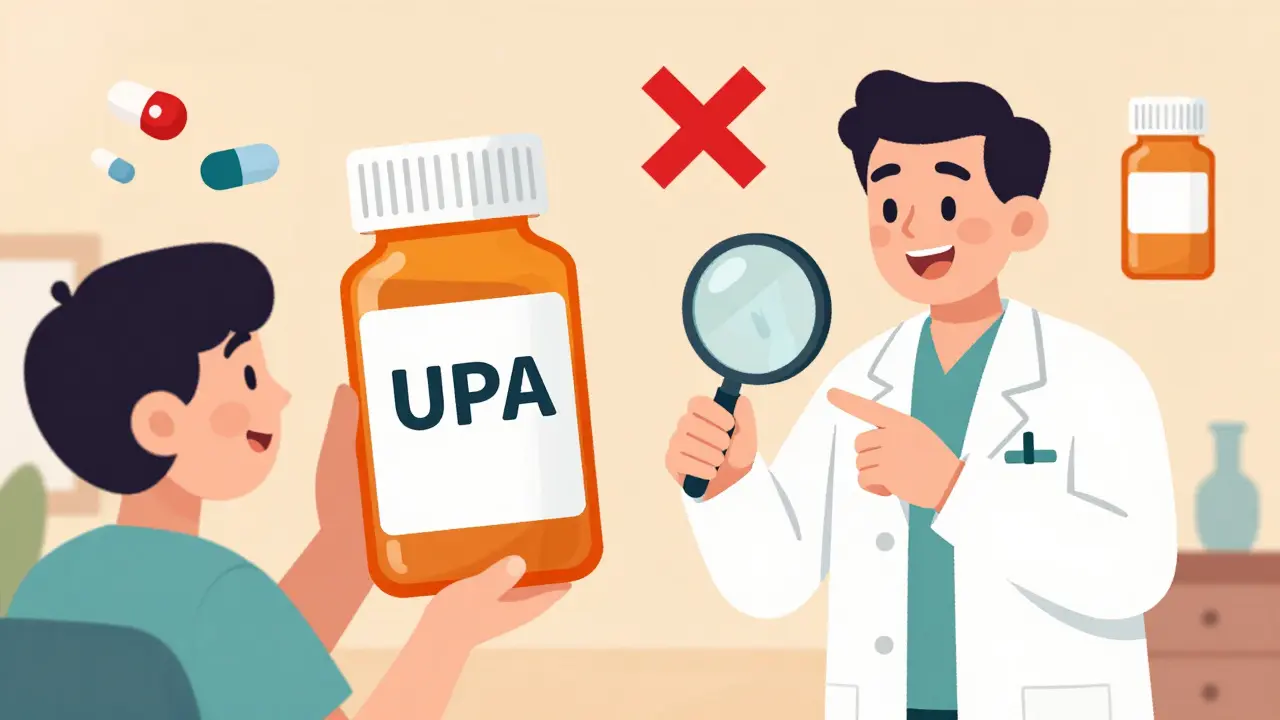
What Each Part of Your Rx Medication Label Means for Patients
- Jan, 28 2026
- Daniel Remedios
- 12 Comments
Learn what every part of your prescription label means - from your name and dosage to expiration dates and warnings - so you can take your medicine safely and avoid dangerous mistakes.
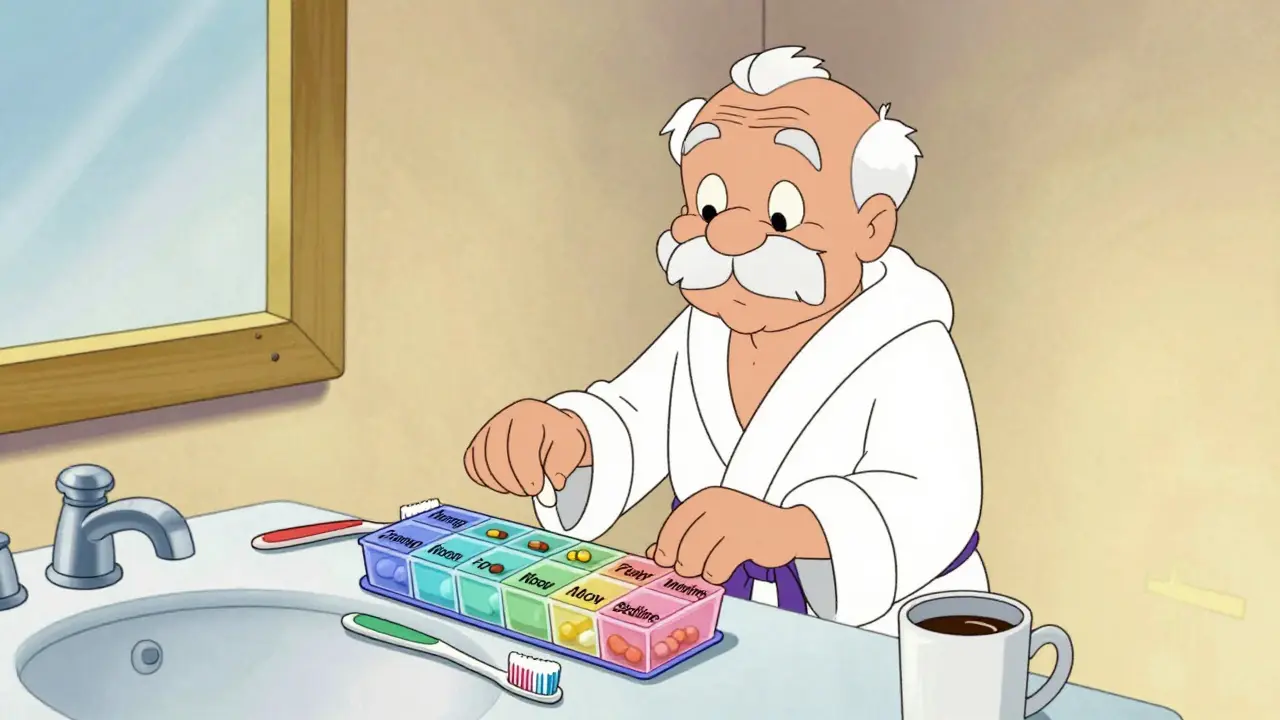
Organizing Your Medications: Best Pill Organizers and Tracking Methods for Safety
- Jan, 27 2026
- Daniel Remedios
- 11 Comments
Learn how to organize your medications safely with simple pill organizers, smart dispensers, and tracking methods that actually work. Reduce errors and improve adherence with practical, real-world solutions.
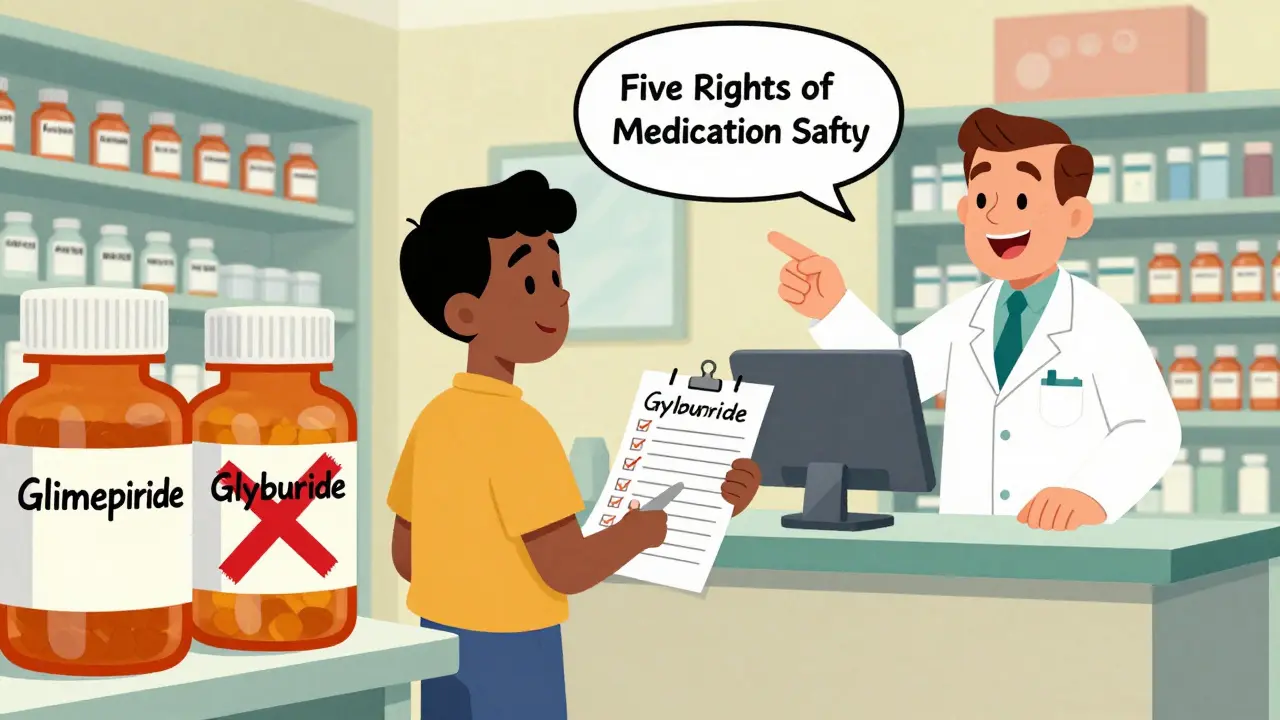
Medication Safety Basics: How to Use Prescription Drugs Responsibly
- Jan, 25 2026
- Daniel Remedios
- 10 Comments
Learn how to use prescription drugs safely by understanding your medications, keeping a living list, recognizing high-risk drugs, and using tools like pill organizers and pharmacist advice to prevent dangerous errors.
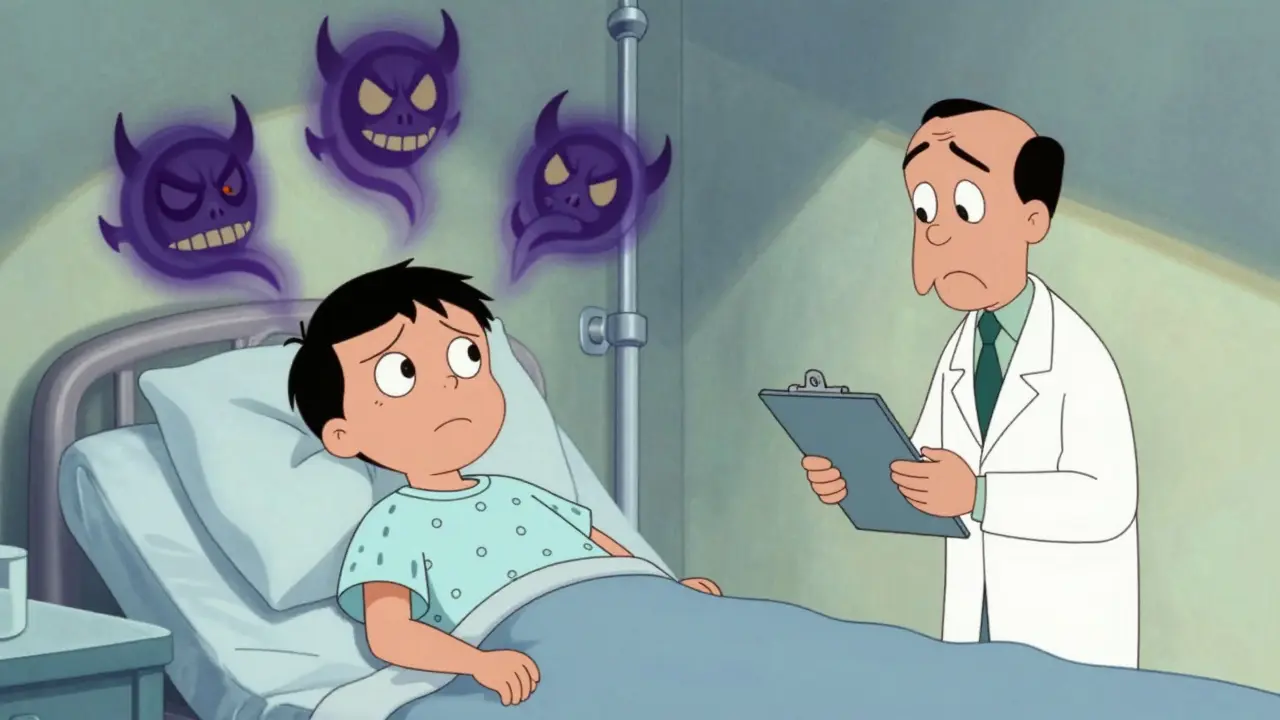
Steroid-Induced Psychosis: How to Recognize and Treat It in an Emergency
- Jan, 23 2026
- Daniel Remedios
- 9 Comments
Steroid-induced psychosis is a serious but treatable reaction to high-dose corticosteroids, often appearing within days. Learn how to recognize early signs, rule out mimics, and manage it safely in emergencies with proper tapering and low-dose antipsychotics.
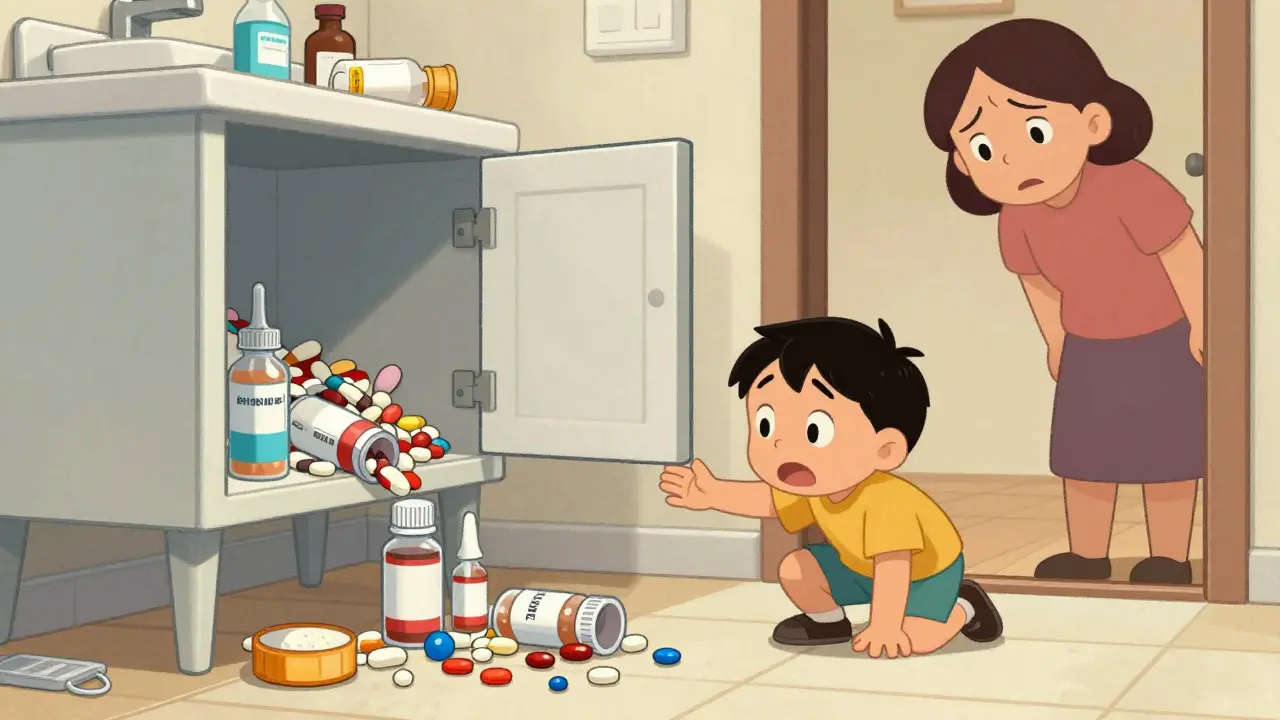
How to Manage Medication Storage in Shared Living Spaces
- Jan, 19 2026
- Daniel Remedios
- 8 Comments
Learn how to safely store medications in shared homes to prevent accidents, misuse, and loss of potency. Key steps include locking meds, controlling temperature, labeling clearly, and disposing of expired drugs properly.