
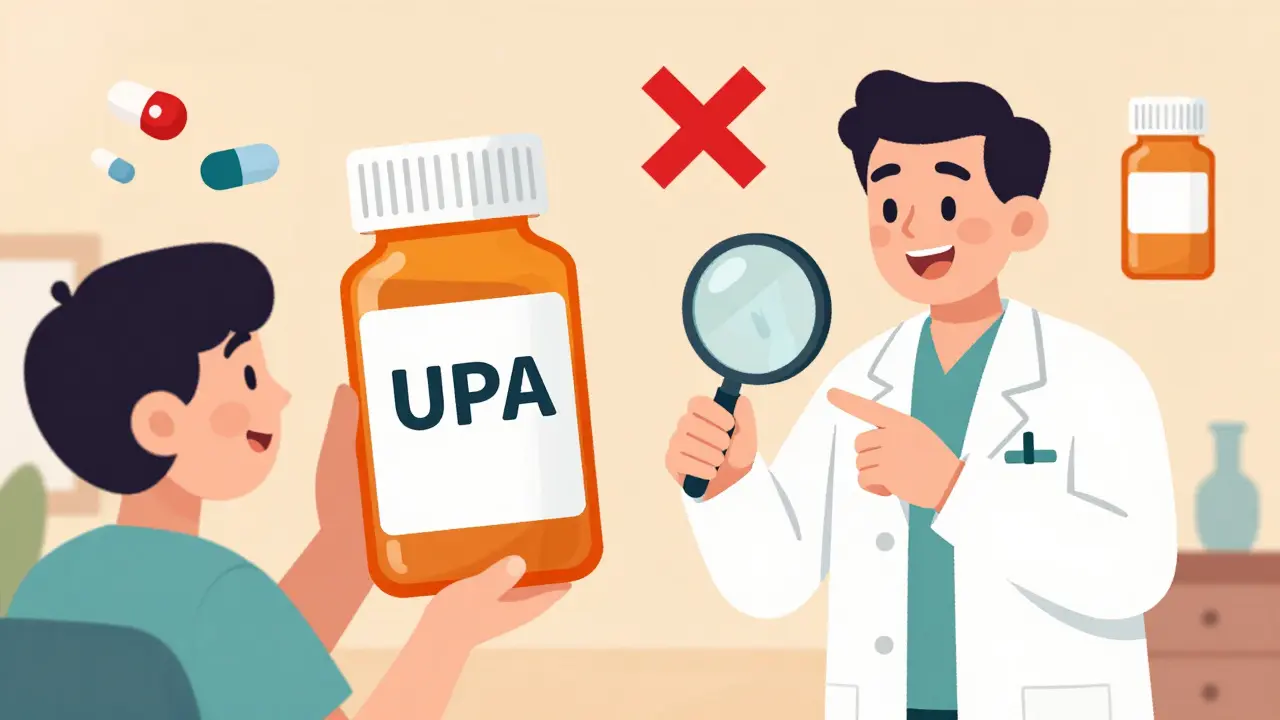
When you pick up a prescription, the little white label on the bottle might seem like just another piece of paper. But every line on that label is there to keep you safe. If you don’t know what it says, you could take the wrong dose, mix up medications, or miss serious warnings. The good news? You don’t need a medical degree to read it. Here’s exactly what each part means - and why it matters.
Your Name
Right at the top, you’ll see your full name. This isn’t just for show. It’s your first line of defense against a medication mix-up. Every year, more than 1.5 million medication errors happen in the U.S. because someone gets another person’s pills. That’s why pharmacies print your name in big letters. If the name doesn’t match yours, don’t take it. Call the pharmacy immediately. This simple check has stopped countless dangerous mistakes.
Medication Name: Brand and Generic
You’ll see two names here. The first is the brand name - like Abstral. The second is the generic name - fentanyl. The brand name is what the drug company calls it. The generic name is the actual medicine inside. It’s the same no matter who makes it. If your doctor switches you from a brand to a generic, it’s safe. But if you see two different brand names for the same condition, double-check. One might be for pain, another for anxiety. Knowing the generic name helps you compare prices and avoid duplicates.
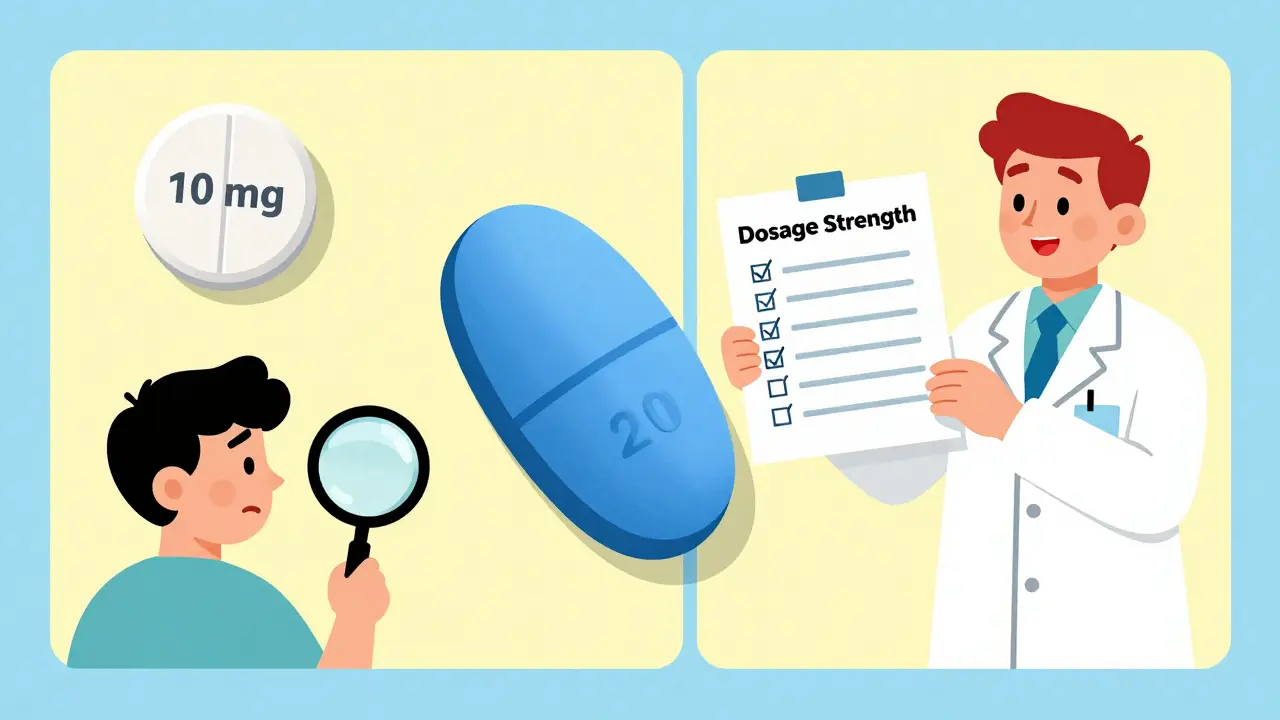
Dosage Strength
This tells you how much medicine is in each pill, capsule, or milliliter of liquid. For example: “10 mg” or “500 mcg.” It’s easy to miss, but this is where mistakes happen. Taking two 10 mg pills when you should take one 20 mg pill is the same - but if you think you’re taking 10 mg when it’s actually 20 mg, you could overdose. Always check this number. If your pill looks different this time, compare the strength. A change in color or shape doesn’t mean it’s wrong - but a change in strength does.
Instructions: How and When to Take It
This section tells you how to use the medicine. It might say “Take one tablet by mouth every 6 hours as needed for pain.” Or “Take with food.” Or “Do not crush.” These aren’t suggestions - they’re rules. Taking a pill on an empty stomach when it says “with food” can cause nausea. Crushing a time-release tablet can dump the whole dose at once. If it says “take at bedtime,” don’t take it at noon. If it says “every 8 hours,” space them evenly - not all at once before bed. And if it says “as needed,” that means only when symptoms appear, not daily unless your doctor says so.
Prescription Number (Rx #)
This is a unique number assigned to your prescription. It’s how the pharmacy tracks your refill requests. If you call for a refill and they ask for your Rx number, this is it. It’s also how they make sure you’re getting the same medication each time. If you get a new bottle and the Rx number is different, it might mean your doctor changed the prescription. Always check with your pharmacist if you’re unsure.
Pharmacy Information
This includes the pharmacy’s name, address, and phone number. It’s not just for show. If you have questions - like “Is this the same as the one I took last month?” or “Why does it taste different?” - call them. You can also find your prescriber’s name here. That’s your doctor or nurse practitioner. If you’re unsure why you’re taking the medicine, call them. Don’t guess.
Expiration Date
This date tells you when the medicine is guaranteed to work as intended. Most prescriptions expire 12 to 18 months after they’re filled. After that, the strength may drop, or the ingredients could break down. Taking expired medicine won’t always hurt you - but it might not help either. Antibiotics, insulin, and heart medications are especially risky if expired. If your pill is past the date, don’t take it. Return it to the pharmacy for safe disposal.
Medication Appearance (Color, Shape, Imprint)
Look at your pill. Is it white and round? Blue and oval? Does it have “A12” stamped on it? The label will describe this. It’s there so you can spot changes. If your next refill looks completely different - say, from a white tablet to a green capsule - it might be a different drug. Or it might be a different manufacturer. Either way, call the pharmacy. Don’t assume it’s the same. Many patients don’t realize that generic pills can look totally different from brand versions - and that’s normal. But if the imprint or color changes unexpectedly, ask.
National Drug Code (NDC)
This is a 10- or 11-digit number that looks like a barcode without the lines. It’s unique to your exact medication: the manufacturer, the strength, and the package size. Pharmacists use it to order and track your drug. You don’t need to memorize it. But if you’re researching your medication online or reporting a side effect, having the NDC helps ensure you’re talking about the right product.
Storage Instructions
Some medicines need special care. “Store at room temperature” means keep it out of the bathroom or near the stove. “Refrigerate” means keep it in the fridge - not the freezer. “Protect from light” means keep it in its original bottle, not a clear pill organizer. Heat, moisture, and sunlight can make medicine less effective. A pill that’s supposed to be stored at 68°F won’t work right if it’s been sitting in a hot car. Always follow these instructions. If you’re not sure, ask your pharmacist.
Warnings and Safety Notes
This is the most important part - and the most often ignored. Warnings might say: “May cause drowsiness - do not drive.” “Avoid alcohol.” “Do not take if you have liver disease.” “Risk of severe allergic reaction.” These aren’t general cautions. They’re based on your specific drug. If you see “Boxed Warning” on the full prescribing sheet (usually not on the label), that’s the FDA’s strongest alert - for risks like heart failure, suicidal thoughts, or fatal liver damage. Even if the label doesn’t show it all, the pharmacist should tell you. If they don’t, ask: “Are there any serious risks I need to watch for?”
Indication: Why You’re Taking It
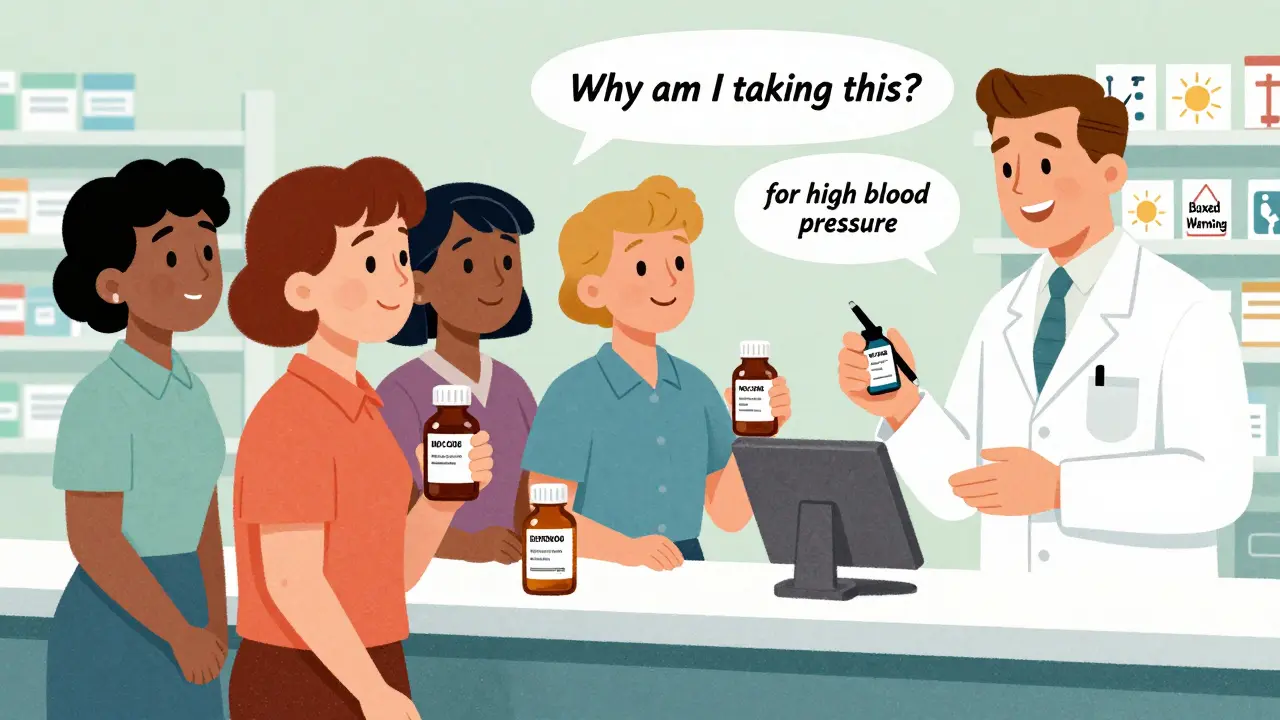
Some labels now include the reason you’re on the medication - like “for high blood pressure” or “for depression.” This is a recent change, pushed by the FDA and USP because patients who know why they’re taking a drug are far less likely to make mistakes. One study found that including the indication reduced wrong-drug errors by 55%. If your label doesn’t have it yet, ask your pharmacist to add it. Many pharmacies can print it on the label manually. If you’re taking five pills and can’t remember why you’re on one of them, that’s a red flag. Knowing the reason helps you stick to your plan and spot problems early.
What’s Missing from the Label (And What to Ask)
The label doesn’t tell you everything. It won’t say: “This might interact with your blood pressure pill.” Or “This could make your diabetes harder to control.” That’s why you need to ask your pharmacist or doctor five key questions every time you get a new prescription:
- What is the name of this medicine, and what is it for?
- How and when should I take it?
- What should I do if I miss a dose?
- What side effects are normal - and which ones mean I should call you?
- Could this interact with anything else I’m taking - including vitamins or supplements?
Use the “teach-back” method: After they explain, say, “So just to make sure I got it - I take this once a day with food for my blood pressure, and if I feel dizzy, I should call you. Is that right?” This simple step improves adherence by nearly 30%.
What You Can Do Today
You don’t have to wait for your next refill to understand your label. Here’s what to do now:
- Take out your most recent prescription. Read every line out loud.
- Check your name, the drug name, the strength, and the instructions. Do they match what your doctor told you?
- Call your pharmacy and ask: “Can you print the reason I’m taking this on the label?”
- Keep a list of all your medications - including doses and why you take them - in your phone or wallet.
- If you’re over 65 or have trouble reading small print, ask for a large-print label. Pharmacies are required to provide it.
Medication errors are preventable. But they only stop when patients know what they’re holding. Your prescription label isn’t a mystery. It’s a map. And now you know how to read it.
What if my prescription label looks different from last time?
It’s normal for generic pills to look different - they can change color, shape, or imprint based on the manufacturer. But if the medication name, strength, or instructions changed, that’s not normal. Double-check the Rx number and compare the label to your doctor’s original prescription. If anything seems off, call your pharmacy before taking it.
Can I take medicine past its expiration date?
Most medications lose potency after expiration but don’t become dangerous - except for a few. Insulin, liquid antibiotics, nitroglycerin, and epinephrine should never be used past their date. For others, like pain relievers or allergy pills, using them a few months past expiration is usually safe but less effective. When in doubt, dispose of it. Pharmacies offer free take-back programs.
Why doesn’t my label say why I’m taking this medicine?
Many pharmacies still don’t include the indication because their systems don’t support it. But it’s becoming standard. Ask your pharmacist to add it manually. Studies show patients who know why they’re taking a drug are 55% less likely to take it incorrectly. It’s a simple request - and it saves lives.
What do the abbreviations on the label mean?
Common ones: q.d. = once daily, b.i.d. = twice daily, t.i.d. = three times daily, q.i.d. = four times daily, p.r.n. = as needed. But many labels now spell these out to avoid confusion. If you see “tsp,” it means teaspoon - not tablespoon. Never guess. Ask your pharmacist to write it in plain language.
Should I keep my prescription labels?
Yes. Keep them until you finish the bottle. They help you track what you’ve taken and when. If you go to the ER or see a new doctor, they can check your label to avoid dangerous interactions. Don’t throw them away - even if you think you won’t need them.
Frank Declemij
Finally someone breaks this down without jargon. I used to think the Rx # was just a barcode. Turns out it’s how pharmacies track your refills and catch errors. This should be mandatory reading for every new patient.
rajaneesh s rajan
Wow. So the label’s basically a survival guide written by people who’ve seen too many overdoses. I used to toss these things in the trash. Now I keep ‘em next to my phone like a holy text. Also, why does my pill look like a tiny blue alien this time? 😅
Sheryl Dhlamini
I cried reading this. My grandma took expired insulin because she didn’t know the date mattered. She almost didn’t make it. This isn’t just info - it’s a lifeline. Thank you for writing this like you actually care.
Doug Gray
Interesting. The NDC is essentially a pharmaceutical SKU. But let’s be real - if your pharmacist can’t explain why your pill changed color without referencing the FDA’s 2021 Generic Drug Labeling Initiative, you’ve got bigger problems. 🤷♂️
LOUIS YOUANES
Look, I don’t trust pills anymore. I mean, what’s to stop Big Pharma from swapping out active ingredients and just changing the imprint? The label says ‘fentanyl’ but what if it’s actually fentanyl analog X? They’ve been doing this since 1998. I’ve got receipts.
Pawan Kumar
It is quite evident that the pharmaceutical industry has deliberately obfuscated patient comprehension through the use of ambiguous nomenclature and inconsistent labeling protocols. This is not an oversight - it is systemic. The FDA is complicit.
DHARMAN CHELLANI
generic pills look diff cuz they’re made in china. you think they care about your liver? lol
kabir das
Wait-so the expiration date isn’t just a suggestion? And the ‘store at room temp’ means not in the bathroom? And ‘as needed’ doesn’t mean ‘every time I feel like it’? I’ve been taking my meds wrong for 7 years… I’m going to die, aren’t I?!!??
Keith Oliver
So the label doesn’t tell you about interactions with your 12 other meds? That’s hilarious. I’m sure the pharmacist remembers every pill you’ve ever taken. Also, why do they always print the name in 6pt font? Is this a test? Are we supposed to be pharmacists now?
ryan Sifontes
they dont put the reason on the label because they dont want you to know you're taking antidepressants for weight loss. it's all about control. you think they care if you live or die? nope.
Jasneet Minhas
OMG I just checked my label and it says ‘for anxiety’!! I had no idea!! 🙌 This is the best thing I’ve read all week. Everyone, go read your labels right now!! 🌟💊
Eli In
I’m from Nigeria and we don’t even get labels like this. I cried reading this. My mom died because we didn’t know the difference between the brand and generic. This post? It’s a gift. Thank you.