
Category: Medications - Page 4
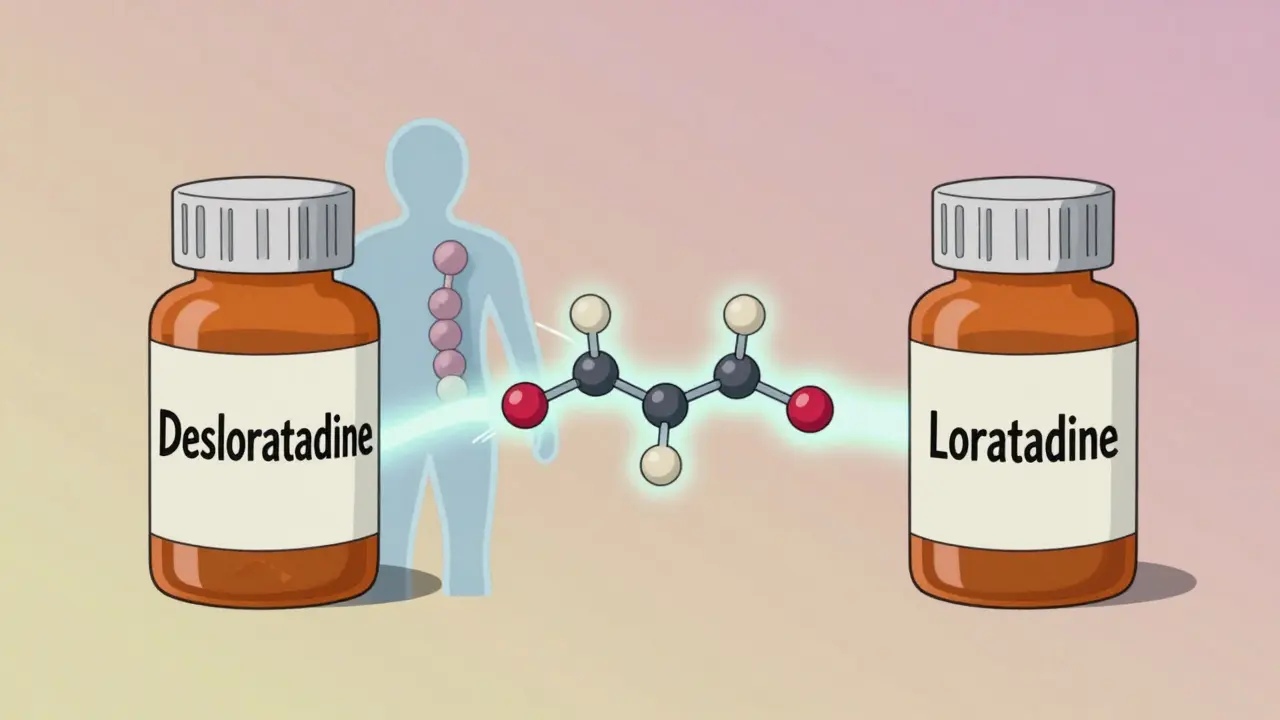
Desloratadine vs Loratadine: Which Antihistamine Is Better for Allergies?
- Dec, 29 2025
- Daniel Remedios
- 37 Comments
Desloratadine and loratadine are both non-sedating antihistamines for allergies, but desloratadine is more potent, longer-lasting, and better for severe symptoms. Learn how they compare in dosing, side effects, and real-world effectiveness.
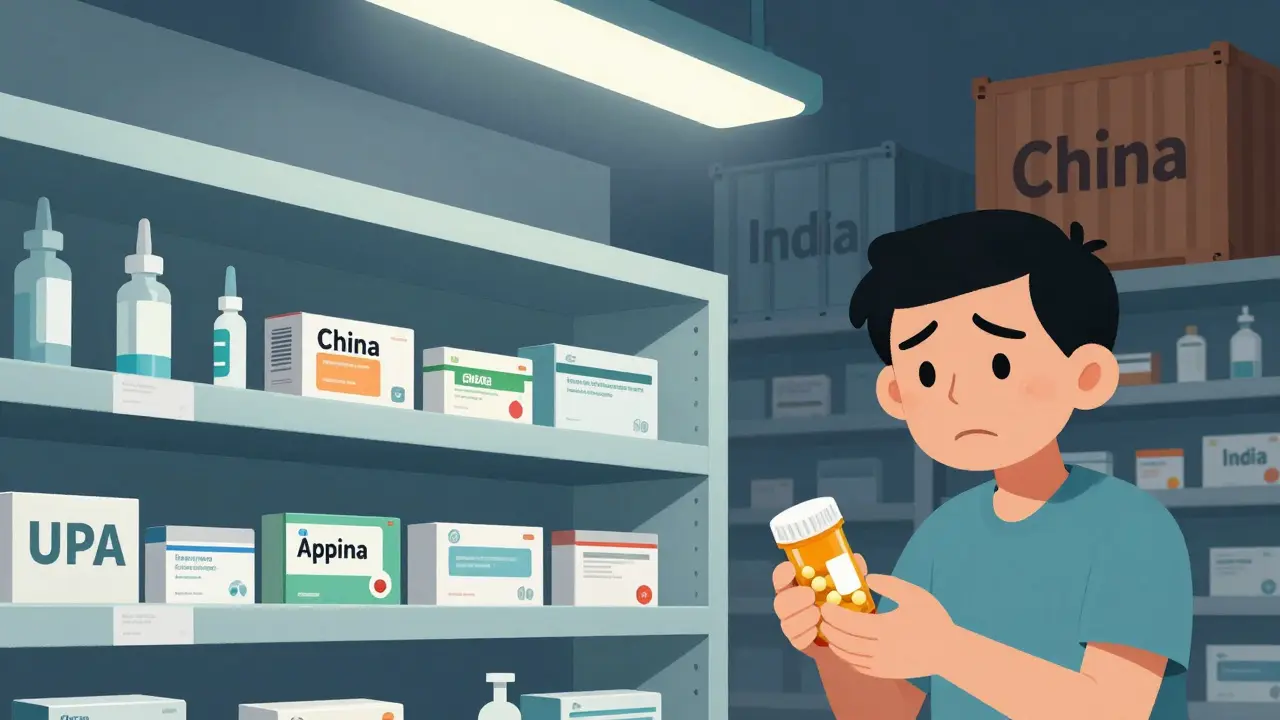
How COVID-19 Disrupted Drug Availability and Made Medications Harder to Get
- Dec, 26 2025
- Daniel Remedios
- 9 Comments
COVID-19 caused widespread drug shortages and worsened the overdose crisis. Learn how supply chain failures, fentanyl-laced drugs, and unequal access to treatment shaped the pandemic's hidden health impact.
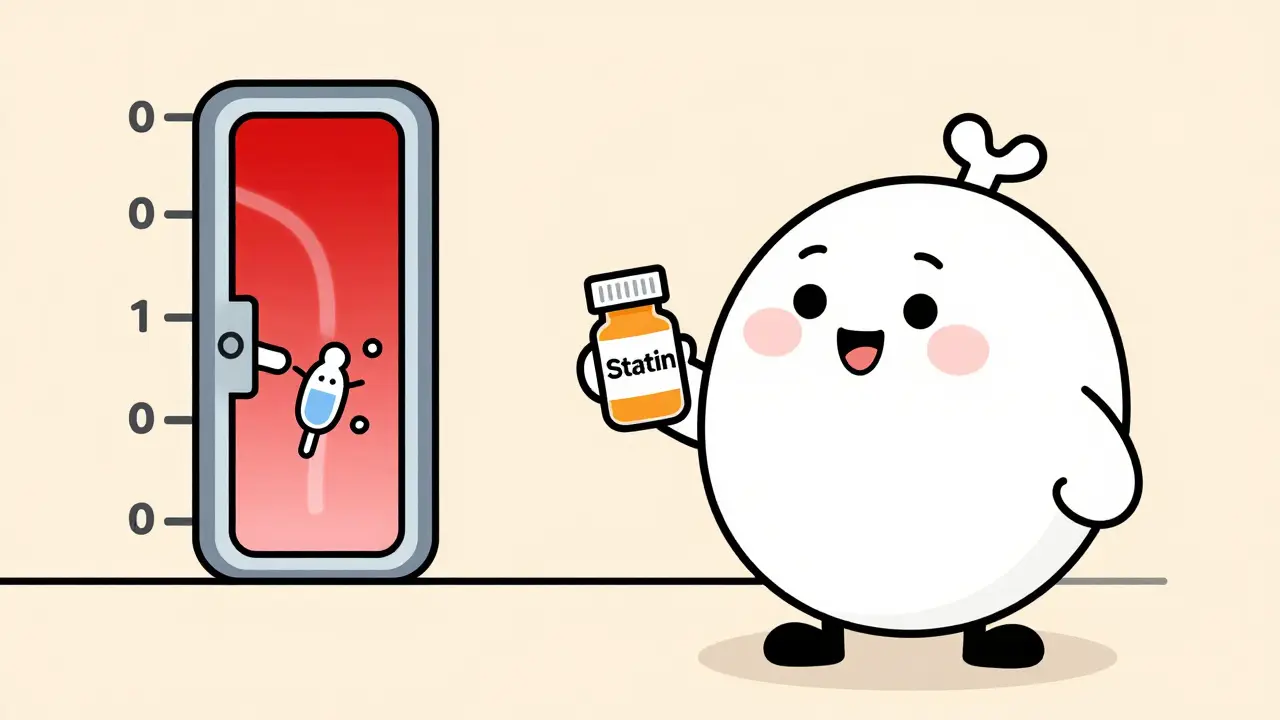
Statins and Diabetes: How Cholesterol Medication Can Raise Blood Sugar
- Dec, 25 2025
- Daniel Remedios
- 15 Comments
Statins can slightly raise blood sugar and increase diabetes risk in some people, especially those with prediabetes or obesity. But for most, the heart protection they offer far outweighs this small risk.

How to Build a Daily Medication Routine You Can Actually Stick To
- Dec, 24 2025
- Daniel Remedios
- 11 Comments
Learn how to build a daily medication routine that actually works-with simple, proven strategies like pairing pills with daily habits, using pill organizers, and setting smart reminders to stay on track.
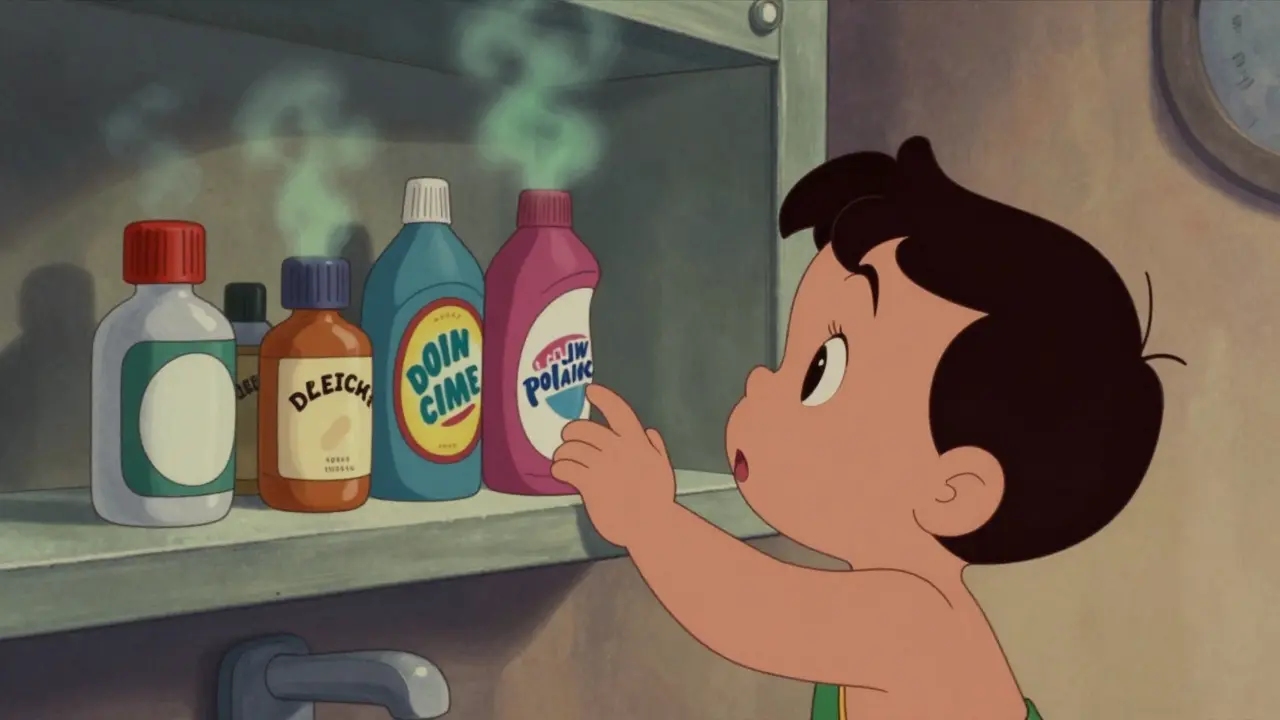
How to Separate Household Chemicals from Medication Storage for Safety
- Dec, 21 2025
- Daniel Remedios
- 13 Comments
Keep medicines and household chemicals separate to prevent poisoning and maintain effectiveness. Learn how to create safe storage zones for meds and cleaners in your home.

NSAIDs and Heart Failure: How Common Painkillers Increase Fluid Retention and Hospitalization Risk
- Dec, 17 2025
- Daniel Remedios
- 15 Comments
NSAIDs like ibuprofen and naproxen can cause dangerous fluid retention in heart failure patients, increasing hospitalization risk even with short-term use. Learn why no NSAID is safe and what to take instead.
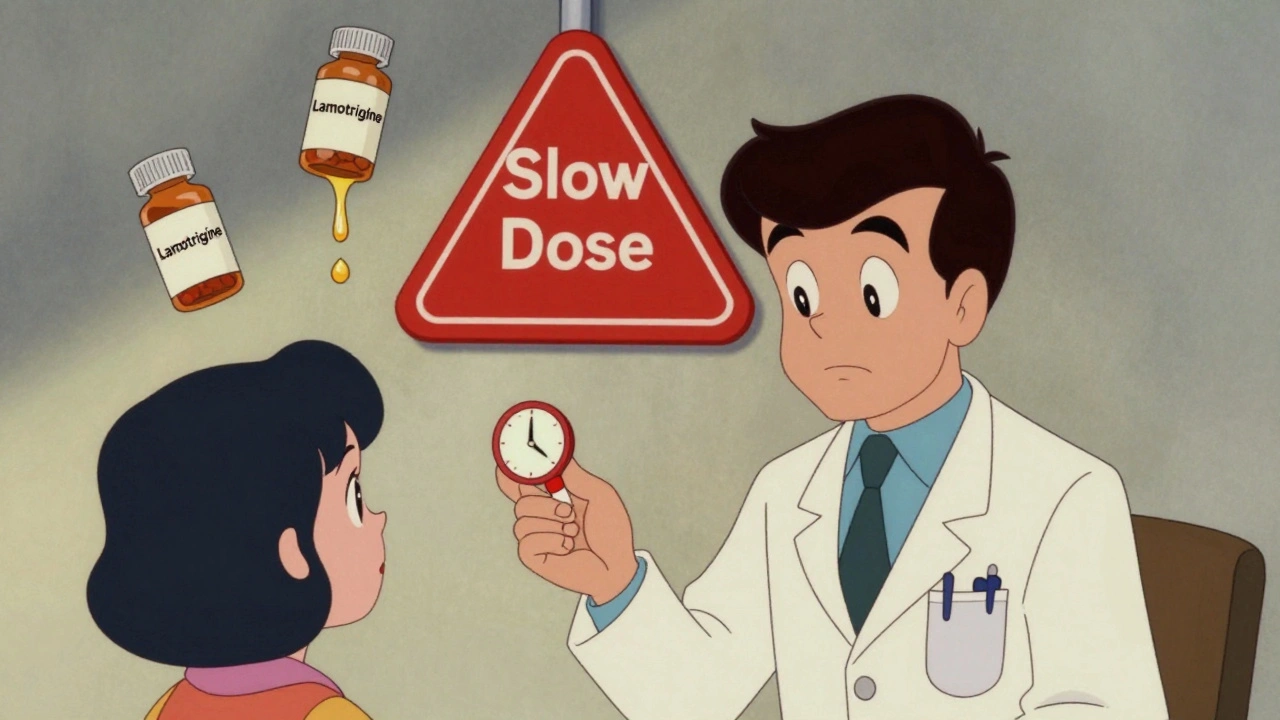
Valproate and Lamotrigine: How to Reduce Rash Risk with Proper Dosing
- Dec, 12 2025
- Daniel Remedios
- 10 Comments
Valproate and lamotrigine can be safely used together if dosed correctly. Learn the exact dosing protocol to prevent serious skin reactions like Stevens-Johnson syndrome, and what to do if a rash appears.
Why Switch to Generic Medications: Proven Reasons and Real Savings
- Dec, 8 2025
- Daniel Remedios
- 14 Comments
Generic medications are just as effective as brand-name drugs but cost up to 85% less. Learn why switching saves money, how the FDA ensures safety, and real examples of savings on common prescriptions.
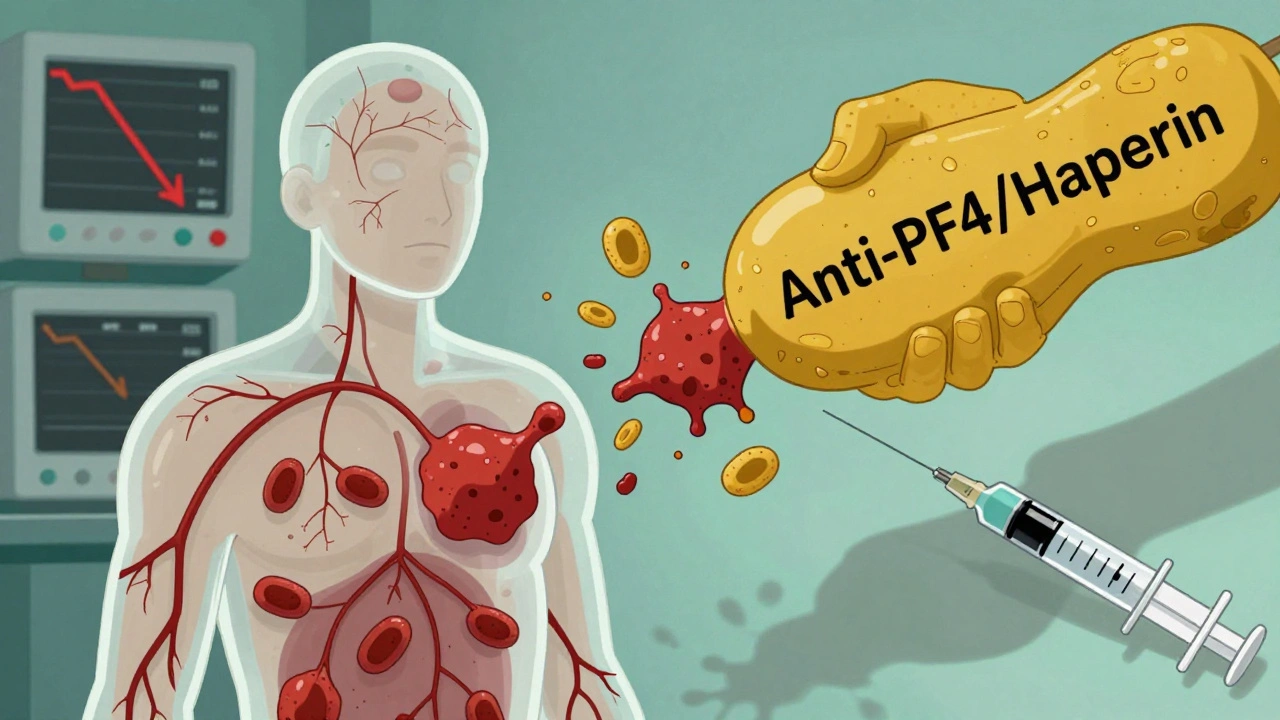
Heparin-Induced Thrombocytopenia: What You Need to Know About This Rare but Dangerous Side Effect
- Dec, 5 2025
- Daniel Remedios
- 11 Comments
Heparin-induced thrombocytopenia (HIT) is a rare but life-threatening reaction to heparin that causes low platelets and dangerous blood clots. Learn the signs, who’s at risk, and what to do if it happens.
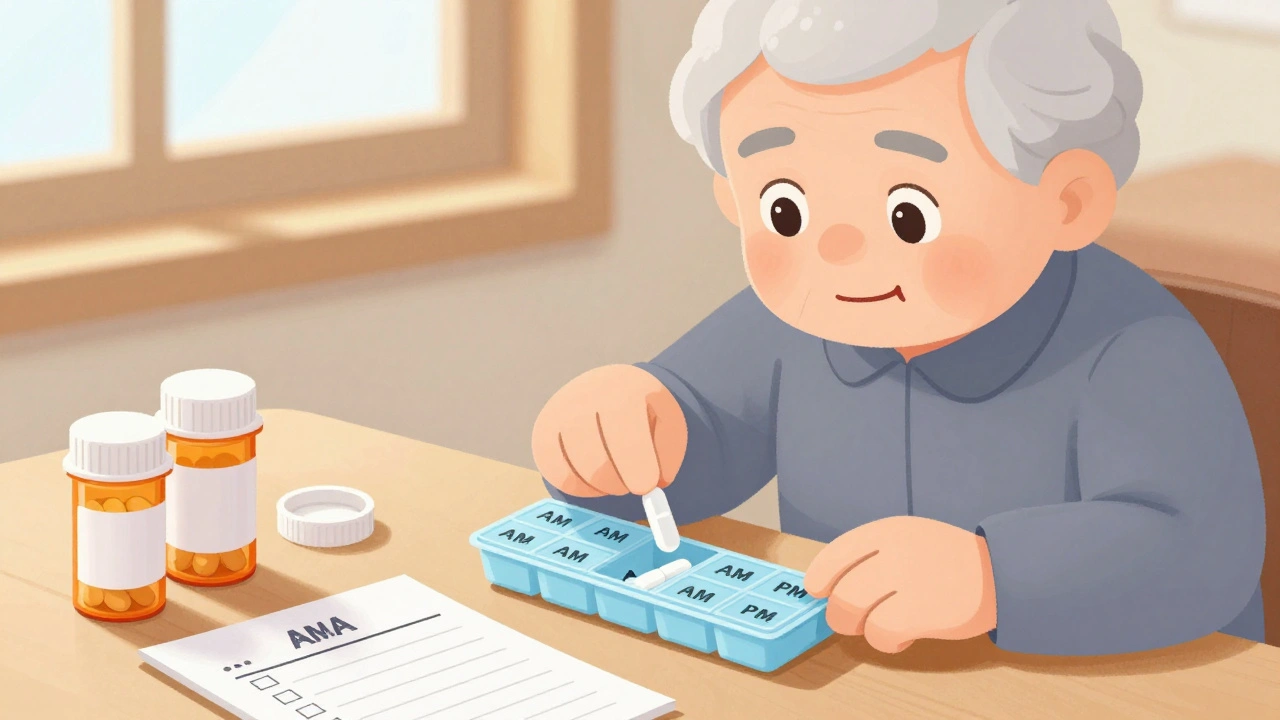
How to Use a Pill Organizer Safely Without Overdosing: Step-by-Step Safety Guide
- Dec, 2 2025
- Daniel Remedios
- 15 Comments
Learn how to use a pill organizer safely to avoid dangerous overdoses. Follow proven steps to fill, store, and verify your meds correctly-plus what pills to never put in one.