
Seville orange and medications: What you need to know about interactions
When you eat a Seville orange, a bitter citrus fruit commonly used in marmalade and cooking, also known as bitter orange, you might not think it’s anything more than a flavor boost. But for people taking certain medications, this fruit can be dangerous. Seville orange contains chemicals called furanocoumarins that block an enzyme in your gut called CYP3A4. This enzyme normally breaks down dozens of common drugs. When it’s shut down, those drugs build up in your bloodstream—sometimes to toxic levels. It’s not just grapefruit; Seville orange acts the same way, and many people don’t realize it.
The problem shows up most often with statins, cholesterol-lowering drugs like simvastatin and atorvastatin, where even a small amount of Seville orange can spike blood levels and raise the risk of muscle damage. It also affects blood pressure medications, including calcium channel blockers like amlodipine and nifedipine, which can drop your blood pressure too far, causing dizziness or fainting. Even some antidepressants, like sertraline and escitalopram, and certain immunosuppressants, used after organ transplants, can become unsafe when mixed with this fruit. These aren’t rare cases—they’re well-documented in clinical studies and flagged by the FDA. If you’re on any daily medication, especially for heart, liver, or mental health, this isn’t something to ignore.
It’s not just juice. The interaction happens with the fruit itself, peel, zest, and even some supplements made from bitter orange extract. A single glass of Seville orange juice can affect your body for over 24 hours. That means taking your pill in the morning and having the juice at lunch still puts you at risk. Switching to sweet oranges or tangerines is usually safe—they don’t contain the same compounds. But if you’re unsure, check your medication guide or ask your pharmacist. You don’t have to give up citrus entirely, but you do need to know which ones are safe. Below, you’ll find real-world examples from people who’ve dealt with these interactions, what went wrong, and how they fixed it. These aren’t theoretical warnings—they’re stories from real patients, backed by data from the posts you’re about to read.
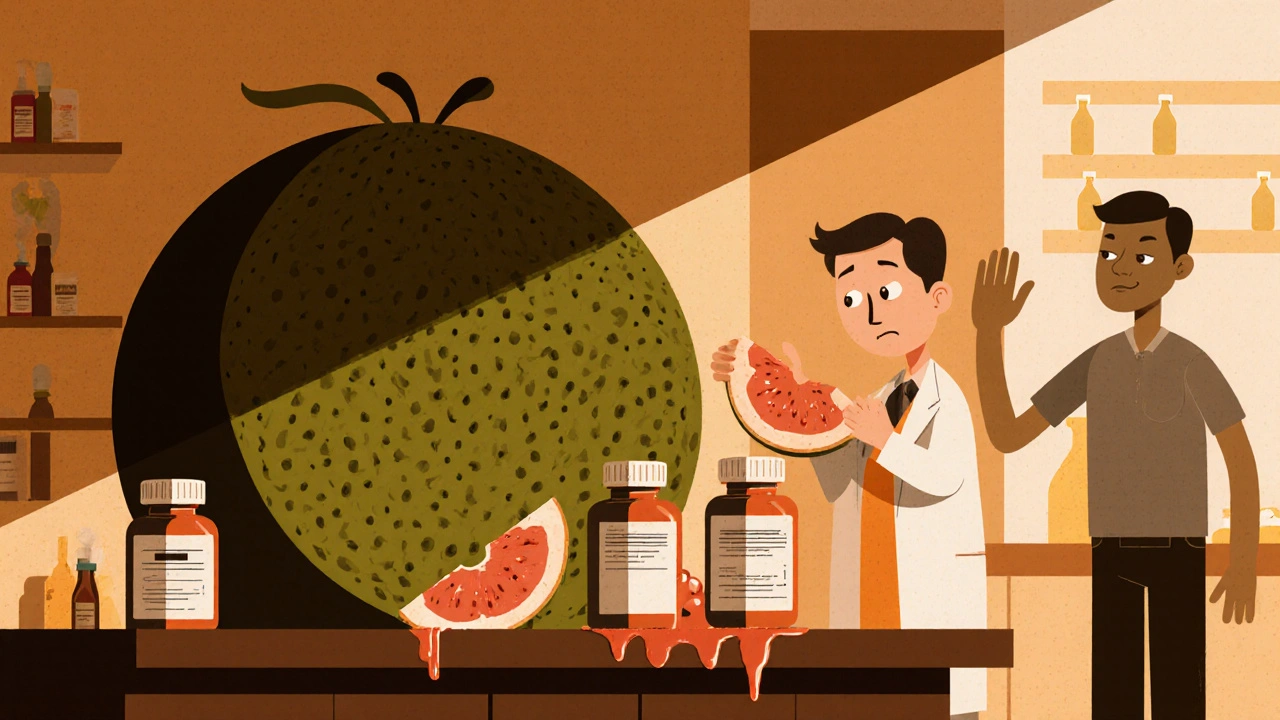
Citrus Fruits Beyond Grapefruit: Pomelo and Seville Orange Effects on Drugs
- Nov, 29 2025
- Daniel Remedios
- 13 Comments
Pomelo and Seville orange can be just as dangerous as grapefruit when taken with medications like statins, blood pressure pills, and immunosuppressants. Learn which drugs are affected, how these fruits interact, and what to do to stay safe.