
Pomelo Drug Interactions: What You Need to Know About Grapefruit and Medications
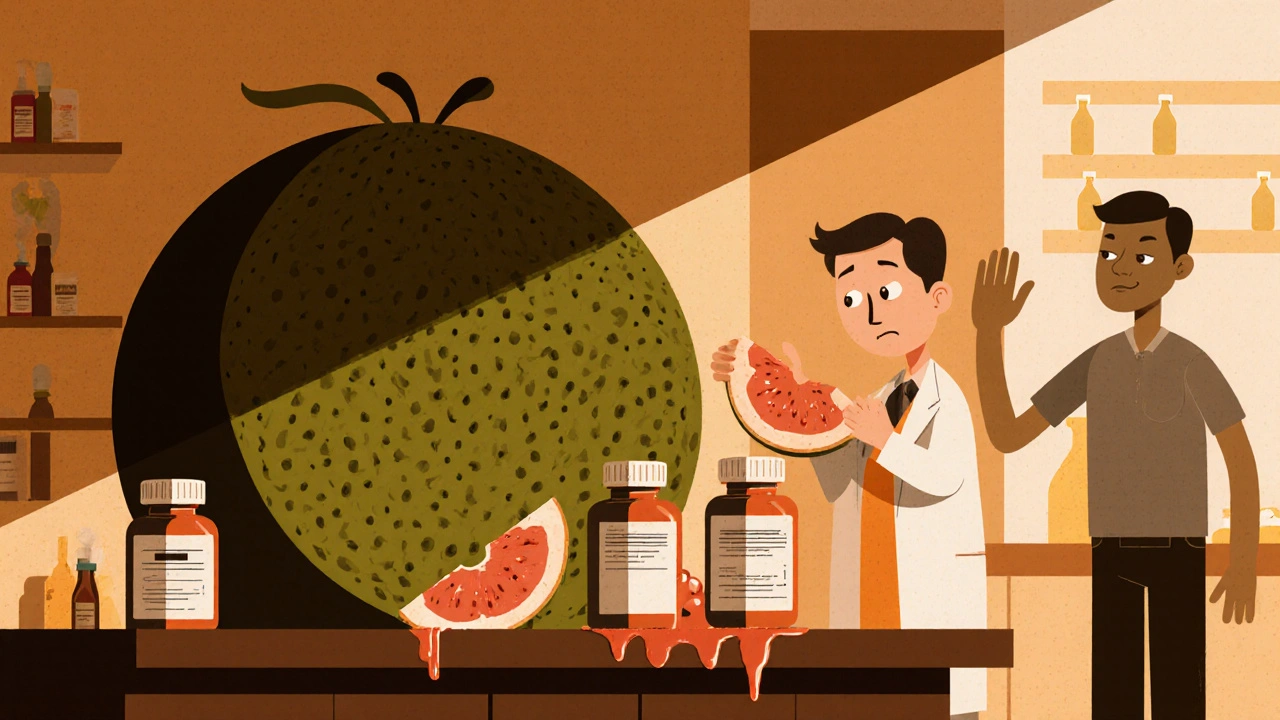
When you eat a pomelo, a large citrus fruit closely related to grapefruit. Also known as pummelo, it's sweet, juicy, and packed with vitamin C—but it can also mess with how your body handles certain medications. The same compounds in pomelo that give it its bold flavor also block an enzyme in your gut called CYP3A4. This enzyme normally breaks down dozens of common drugs before they enter your bloodstream. When it’s shut down, those drugs build up to dangerous levels in your body. That’s why even one pomelo can cause serious side effects if you’re on the wrong medication.
This isn’t just about grapefruit. Pomelo has even higher levels of these interaction-causing compounds in some cases. Drugs like statins for cholesterol, blood pressure meds like felodipine, anti-anxiety pills like buspirone, and even some cancer treatments can become toxic when mixed with pomelo. You might not feel anything right away, but over time, the buildup can damage your liver, kidneys, or heart. People on warfarin or other blood thinners should also be careful—pomelo can change how these drugs work, raising your risk of bleeding. And it’s not just the fruit itself. Juice, extracts, and even some supplements made from pomelo can trigger these reactions.
What makes this tricky is that not every drug is affected. Your doctor or pharmacist can tell you if your meds are on the list. If you take a statin like simvastatin or atorvastatin, a calcium channel blocker like amlodipine, or certain immunosuppressants like cyclosporine, you need to avoid pomelo completely. If you’re unsure, check your prescription label or ask for a simple drug interaction check. The good news? You don’t have to give up citrus forever. Oranges, tangerines, and lemons don’t cause these problems. And if you love the taste of pomelo, timing matters—waiting 24 hours after taking your medicine might help, but it’s not guaranteed to be safe. Always talk to your provider first.
Below, you’ll find real-world examples of how drug interactions play out in daily life—from statins and muscle pain to antibiotics and blood thinners. These aren’t theoretical risks. They’re stories from people who took the right pills but didn’t know about the fruit on their breakfast table. What you learn here could keep you out of the hospital.
Citrus Fruits Beyond Grapefruit: Pomelo and Seville Orange Effects on Drugs
- Nov, 29 2025
- Daniel Remedios
- 13 Comments
Pomelo and Seville orange can be just as dangerous as grapefruit when taken with medications like statins, blood pressure pills, and immunosuppressants. Learn which drugs are affected, how these fruits interact, and what to do to stay safe.