
Graves' Disease: Causes, Symptoms, and Medications That Help
When your immune system mistakenly attacks your thyroid, you might be dealing with Graves' disease, an autoimmune disorder that causes the thyroid to produce too much hormone. Also known as toxic diffuse goiter, it's the most common cause of hyperthyroidism—a condition where your body runs too fast because your thyroid is overworking. Women are five to ten times more likely to get it than men, and it often shows up between ages 30 and 50. If you’ve had unexplained weight loss, a racing heart, shaky hands, or trouble sleeping, it might not just be stress—it could be your immune system turning on your thyroid.
Graves' disease doesn’t just affect your metabolism. It can cause bulging eyes (Graves' ophthalmopathy, an eye condition linked to autoimmune thyroid disease), thickened skin on the shins (pretibial myxedema, a rare skin complication of Graves' disease), and even heart problems if left untreated. The root problem? Antibodies called TSI (thyroid-stimulating immunoglobulins) that trick your thyroid into overproducing hormones. This isn’t something that goes away on its own. Left unchecked, it can lead to a life-threatening spike in thyroid levels called thyroid storm, a medical emergency caused by extreme hyperthyroidism.
Treatment isn’t one-size-fits-all. Some people start with antithyroid drugs, medications like methimazole or propylthiouracil that block hormone production. Others go straight to radioactive iodine, which gently shuts down overactive thyroid tissue. Surgery is an option too, especially if the thyroid is huge or if drugs don’t work. The goal isn’t just to lower hormone levels—it’s to stop the immune system’s attack. That’s why many patients also need beta-blockers to calm heart rate and anxiety while the main treatment kicks in.
What you won’t find in most guides is how much this condition overlaps with other autoimmune issues. People with Graves’ often have type 1 diabetes, rheumatoid arthritis, or celiac disease. It’s not random—it’s your immune system on a rampage. And while stress doesn’t cause it, it can make symptoms worse. Sleep, diet, and managing anxiety aren’t just nice-to-haves—they’re part of the treatment plan.
Below, you’ll find real-world advice from people who’ve lived with this. From managing side effects of thyroid meds to understanding when to push back on your doctor about treatment options, these posts cut through the noise. You’ll learn what actually works, what doesn’t, and how to avoid common mistakes that delay recovery.
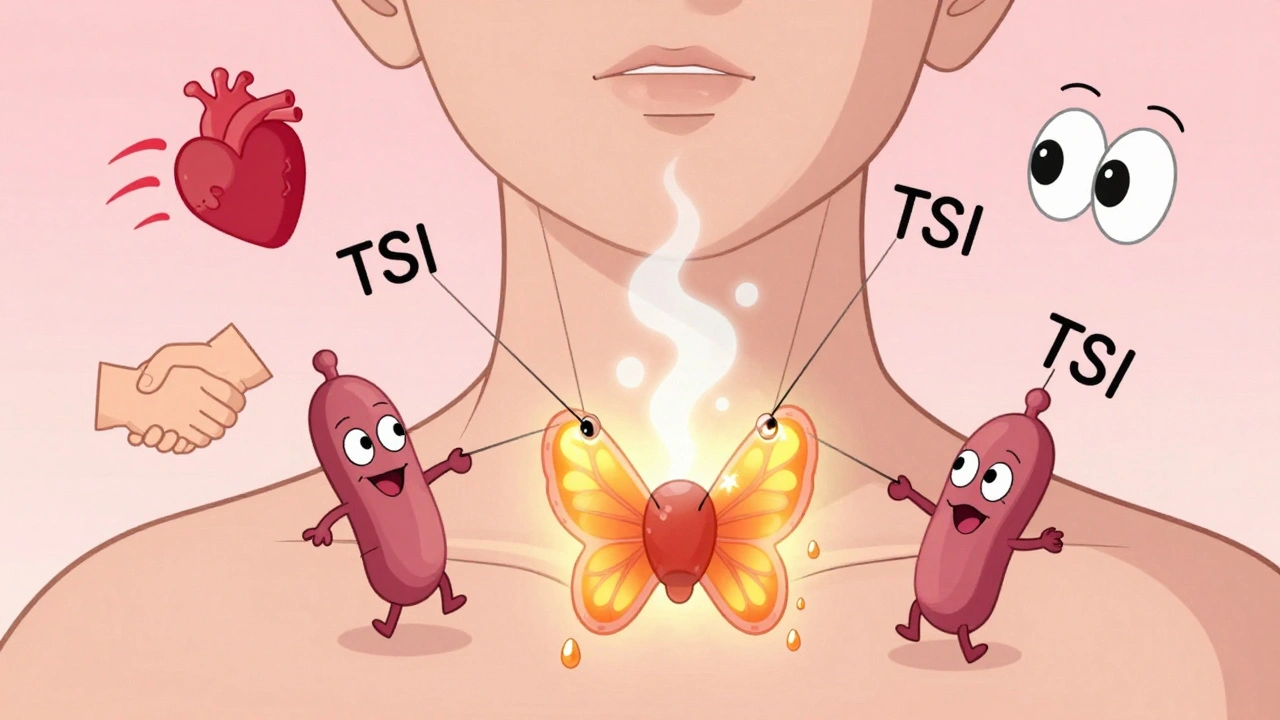
Graves' Disease: Causes, Symptoms, and Proven Treatment Options for Autoimmune Hyperthyroidism
- Dec, 4 2025
- Daniel Remedios
- 14 Comments
Graves' disease is the most common cause of hyperthyroidism, triggered by autoimmune antibodies that overstimulate the thyroid. Learn the symptoms, diagnostic tests, and proven treatments including medication, radioactive iodine, and surgery.