
Fluoroquinolones: What They Are, Risks, and Why They're Controversial
When you hear fluoroquinolones, a class of broad-spectrum antibiotics used for serious bacterial infections like pneumonia, urinary tract infections, and anthrax. Also known as quinolone antibiotics, they include drugs like ciprofloxacin, levofloxacin, and moxifloxacin. These aren’t your average antibiotics. They work fast, kill a wide range of bacteria, and were once considered a go-to for stubborn infections. But over time, their risks have piled up — and now, many doctors reserve them only when nothing else works.
One major issue? antibiotic side effects, ranging from mild nausea to life-threatening damage to tendons, nerves, and muscles. The FDA has issued multiple black box warnings — their strongest alert — for fluoroquinolones because they can cause permanent nerve damage, tendon ruptures, and even aortic dissections. These aren’t rare flukes. Studies show up to 20% of users report lasting symptoms like tingling, weakness, or joint pain after just a few days of use. And while antibiotic resistance, the growing problem where bacteria evolve to survive drug exposure is a global crisis, fluoroquinolones have contributed to it. Their overuse in livestock and humans has made many common infections harder to treat.
It’s not just about the drug itself — it’s about who takes it. Fluoroquinolones are often prescribed for simple infections like sinusitis or bronchitis, even though they’re unnecessary. Viral infections don’t respond to them. And if you’re over 60, have kidney problems, or take steroids, your risk of serious harm jumps significantly. Yet many patients aren’t warned. They’re told it’s just a strong antibiotic — not that it might leave them with chronic pain or mobility issues for years.
The posts below don’t just list side effects. They dig into real cases, hidden risks, and what to do if you’ve been prescribed one. You’ll find clear comparisons with safer alternatives, what your pharmacist should be checking before filling your script, and why some countries have pulled these drugs off shelves for minor infections. This isn’t theory. It’s what people are experiencing — and what you need to know before you take the next pill.
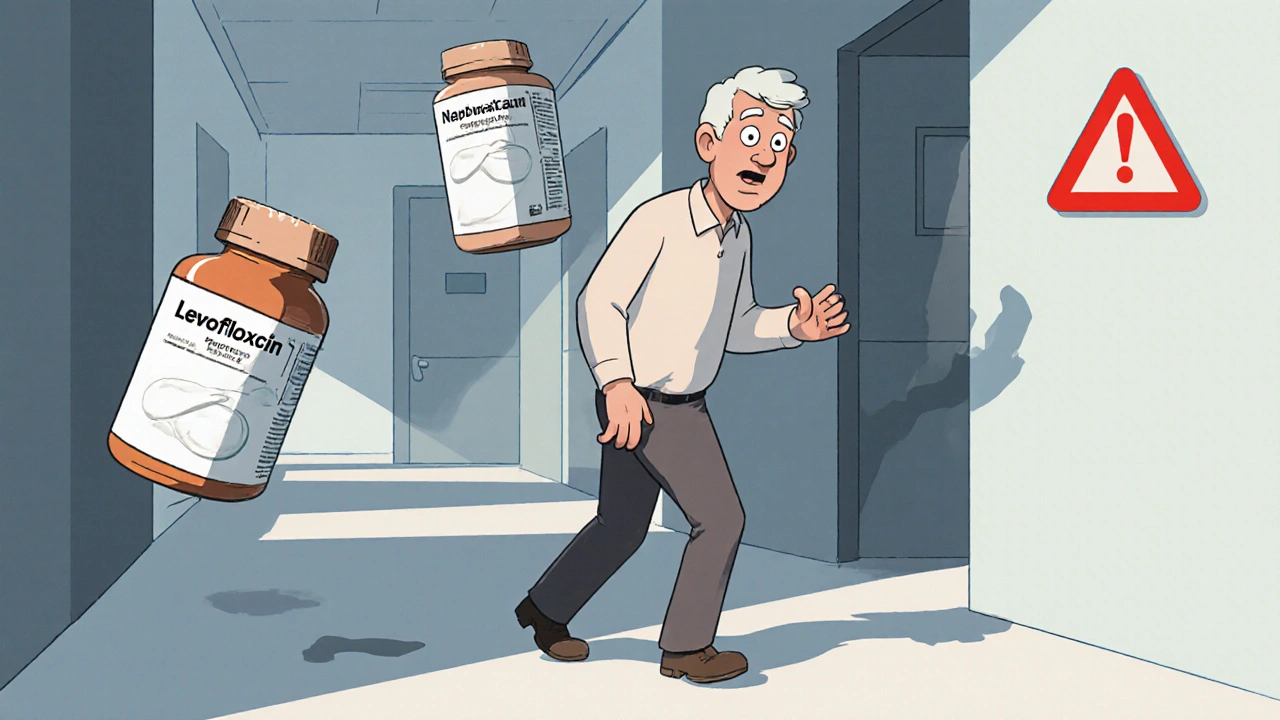
Fluoroquinolones and NSAIDs: What You Need to Know About Tendon Rupture Risk
- Nov, 27 2025
- Daniel Remedios
- 12 Comments
Fluoroquinolone antibiotics like levofloxacin can increase tendon rupture risk, especially in older adults and those with kidney issues. NSAIDs don't raise the risk but can mask early warning signs. Know the facts before taking these drugs.