
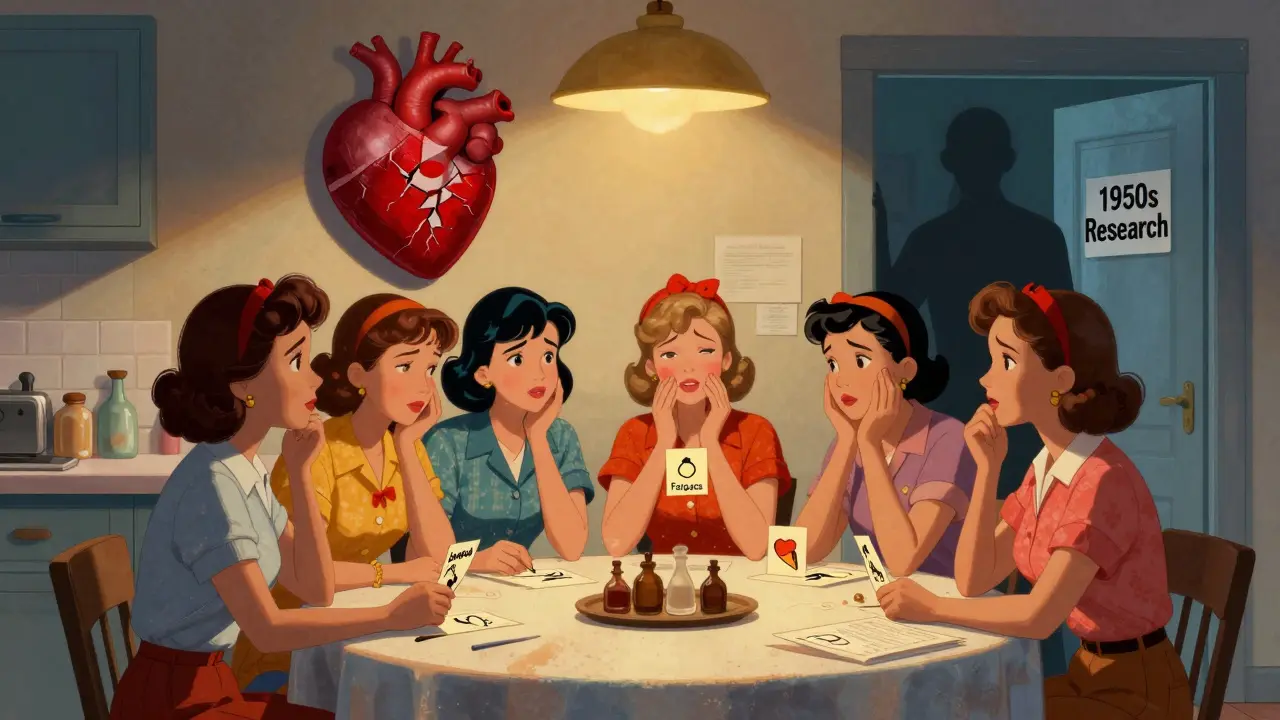
Heart disease kills more women every year than breast cancer, lung cancer, and Alzheimer’s combined. Yet most women still don’t realize it’s their biggest health threat. In the U.S., about 1 in 5 female deaths is from heart disease. That’s 307,000 women a year. And here’s the scary part: many of these deaths could be prevented-if women knew what to look for and when to act.
It’s Not the Same as Men’s Heart Disease
For decades, heart disease research focused almost entirely on men. The Framingham Heart Study, which shaped modern cardiology, enrolled only men in its early years. That left a huge blind spot. Today, we know women’s hearts behave differently. Their arteries are smaller. Their symptoms don’t always include crushing chest pain. And when they do have chest pain, it often feels like pressure, tightness, or a dull ache-not the dramatic, stabbing pain you see in movies.Women are more likely to have microvascular disease, where the tiny arteries in the heart become damaged or blocked. This doesn’t show up on standard stress tests. It causes fatigue, shortness of breath, and nausea-symptoms doctors often dismiss as stress or aging. But these are red flags.
Another condition unique to women is spontaneous coronary artery dissection (SCAD). It’s when a tear forms in a heart artery, often without plaque buildup. SCAD strikes women in their 40s and 50s, sometimes during or after pregnancy, or under extreme emotional stress. It’s not rare-it accounts for up to 4% of all heart attacks in women under 50.
Then there’s Takotsubo syndrome, also called broken heart syndrome. It’s triggered by sudden emotional or physical stress-a death in the family, a divorce, even a surprise party. The heart temporarily enlarges and doesn’t pump properly. It mimics a heart attack. And while men get it too, 90% of cases are in women.
What Women Actually Feel During a Heart Attack
The classic image of a heart attack-a man clutching his chest, collapsing-doesn’t fit most women. According to data from the National Heart, Lung, and Blood Institute (NHLBI), only 65% of women experience chest pain during a heart attack. That means nearly 4 out of 10 women have no chest pain at all.Here’s what women are more likely to feel:
- Unexplained fatigue-so bad you can’t make your bed or carry groceries. This happens in 71% of women before or during a heart attack.
- Shortness of breath-even when sitting still or doing light chores. This occurs in 42% of cases.
- Jaw, neck, shoulder, or back pain-not just one spot, but radiating discomfort. Often mistaken for arthritis or muscle strain.
- Nausea or vomiting-no diarrhea, no fever. Just sudden, unexplained stomach upset. Reported in 36% of women.
- Dizziness or lightheadedness-feeling like you might pass out, especially when standing up.
- Sweating for no reason-cold, clammy skin, even in a cool room.
One woman described it like this: "I thought I had the flu. I was so tired I couldn’t get out of bed. My jaw ached for three days. I didn’t connect it to my heart."
And here’s the worst part: women are 59% more likely than men to mistake these symptoms for indigestion, anxiety, or aging. They wait. They call their doctor for a "routine checkup." By then, the damage is done.
Why Delay Is Deadly
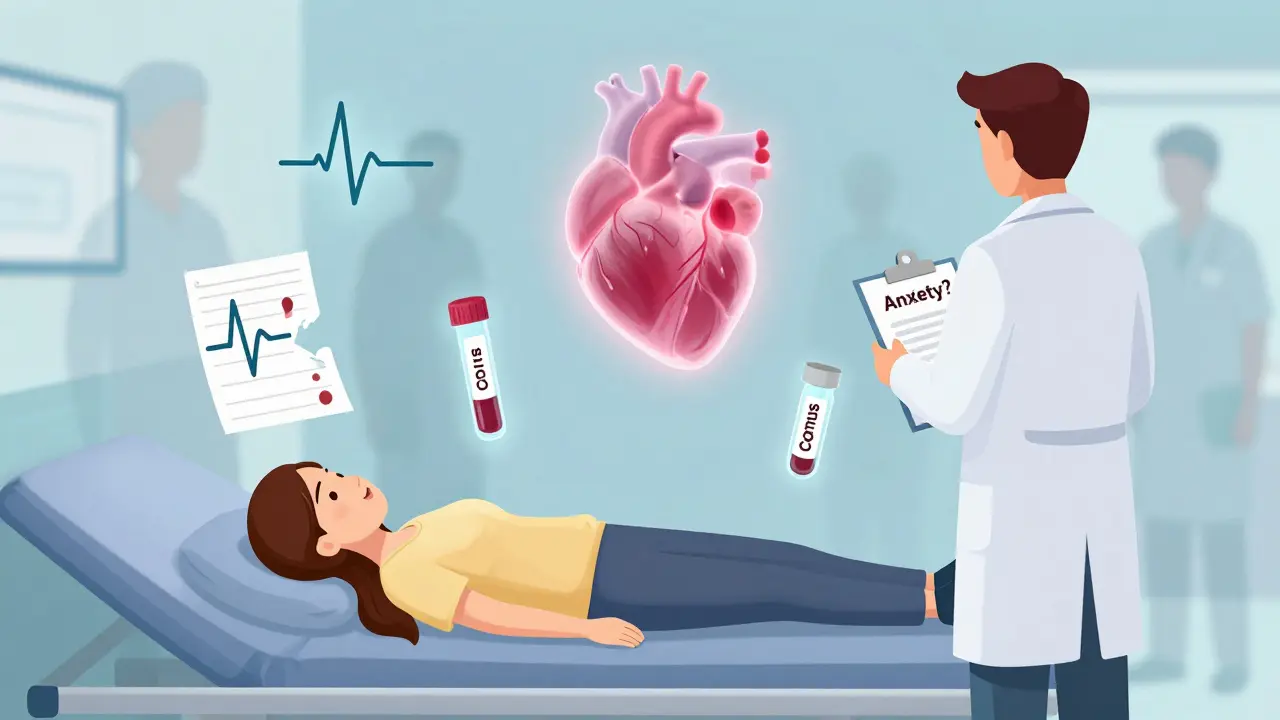
Every minute counts. When a heart attack happens, heart muscle dies. The sooner treatment starts, the more you save.Research from the Journal of the American Heart Association found that women under 55 are seven times more likely than men to be sent home from the ER without proper testing. Why? Because doctors don’t expect heart disease in young women. They assume it’s anxiety, acid reflux, or stress.
That delay costs lives. Within one year of a misdiagnosed heart attack, women are 50% more likely to die than men. And on average, women wait 2.3 hours longer than men to seek help. That’s more than enough time for irreversible damage.
Even when women do get to the hospital, tests often miss their condition. Standard stress tests are designed for men with blocked major arteries. They fail to catch microvascular disease. A 2022 study found that traditional tests correctly identify heart disease in only 72% of women-compared to 88% with the Corus CAD test, which looks at gene expression patterns. It’s FDA-approved and available in many U.S. hospitals now.
Hidden Risk Factors Only Women Have
Some risks are unique to women. Men don’t get them. But women do-and they’re often ignored.- Pregnancy complications: Preeclampsia (high blood pressure during pregnancy) raises future heart disease risk by 80%. Gestational diabetes doubles it.
- Early menopause: If you go through menopause before 45, your risk jumps. Estrogen protects blood vessels. Losing it too early removes that shield.
- Polycystic ovary syndrome (PCOS): This hormonal disorder increases insulin resistance, high blood pressure, and cholesterol-all heart disease drivers.
- Autoimmune diseases: Lupus, rheumatoid arthritis, and other conditions that mostly affect women also damage blood vessels.
- Mental stress: Women are 37% more likely than men to have angina triggered by emotional stress. Chronic anxiety, caregiving burnout, or financial pressure can literally strain the heart.
Doctors rarely ask about these. But they should. If you’ve had preeclampsia, or went through menopause early, or have lupus-tell your doctor. These aren’t just "women’s issues." They’re heart issues.
How to Protect Yourself
Prevention isn’t just about diet and exercise. It’s about awareness, early testing, and speaking up.- Track your symptoms: If you’ve had unusual fatigue for more than two weeks, especially with shortness of breath during normal activities, get checked. That pattern precedes 78% of female heart attacks.
- Ask for the right tests: If you have symptoms but your stress test is normal, ask about a coronary calcium scan or the Corus CAD test. Both are better at catching microvascular disease.
- Know your numbers: Blood pressure, cholesterol, and blood sugar matter. But don’t wait for a checkup. If you’re over 40, get them checked yearly.
- Manage stress: Meditation, walking, therapy-anything that lowers chronic stress helps your heart. Mental health is heart health.
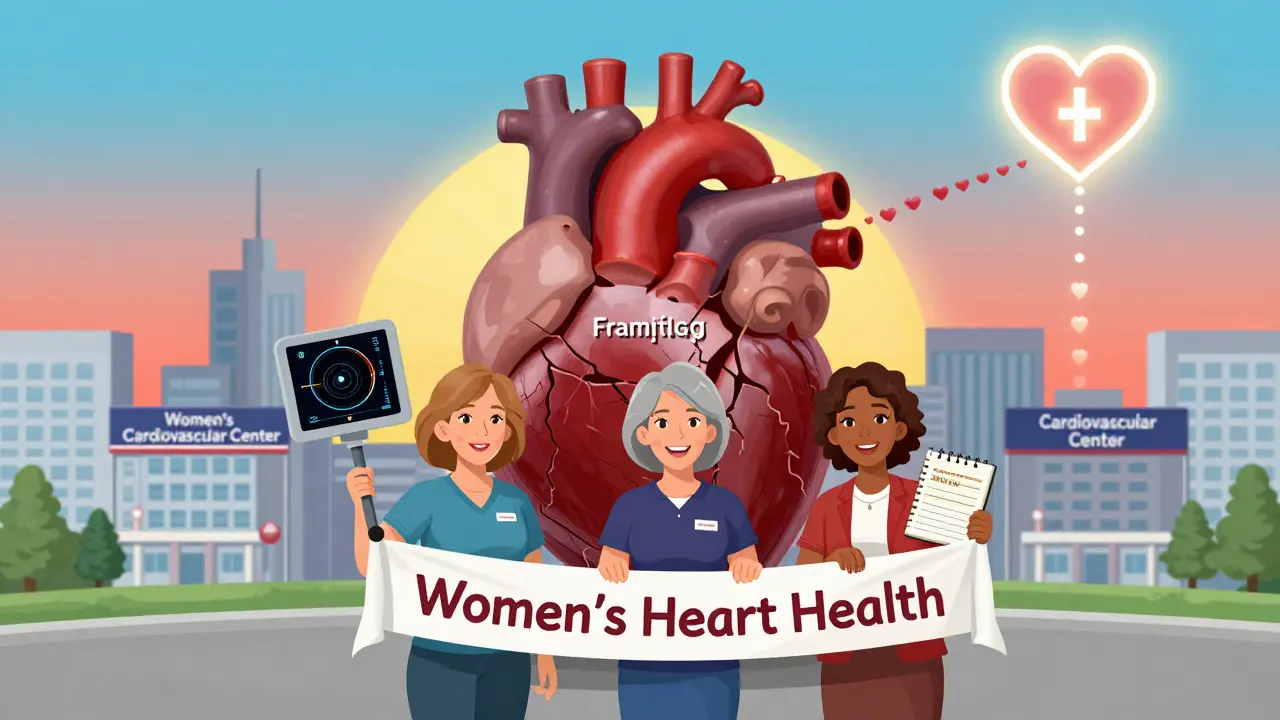
- Find a women’s heart program: Hospitals with specialized women’s cardiac centers have 22% higher survival rates for women having heart attacks. Ask if your hospital has one.
And if you feel something off-don’t wait. Don’t assume it’s nothing. Don’t let someone tell you it’s "just anxiety." Your heart is not a side issue. It’s your most vital organ.
The Bigger Picture
Despite progress, gaps remain. Only 34% of cardiovascular research funding targets women’s health. Women make up 51% of the population but only 38% of participants in heart studies. That means treatments are still mostly based on male biology.The NHLBI launched the RENEW initiative in 2023 with $150 million to fix this. The American College of Cardiology now certifies Women’s Cardiovascular Centers of Excellence. And the FDA approved the first gender-specific diagnostic tool in 2020. These are steps forward.
But change won’t come from labs alone. It comes from women asking questions, demanding better care, and refusing to be ignored.
Heart disease isn’t a man’s disease. It’s a human disease. And women deserve care that matches their biology-not a 70-year-old model built for men.
Do women always have chest pain during a heart attack?
No. Only about 65% of women experience chest pain during a heart attack. Nearly 4 in 10 women have no chest pain at all. Instead, they may feel extreme fatigue, shortness of breath, nausea, jaw or back pain, or dizziness. Missing chest pain doesn’t mean it’s not a heart attack.
What should I do if I think I’m having a heart attack but I’m not sure?
Call emergency services immediately. Don’t wait to see if it goes away. Don’t drive yourself. Don’t call your doctor’s office. Emergency responders can start treatment on the way to the hospital. Every minute counts. Even if you’re wrong, it’s better to be safe than risk permanent damage or death.
Can stress really cause a heart attack in women?
Yes. Emotional stress triggers angina and heart attacks in women 37% more often than in men. Sudden, intense stress can even cause Takotsubo syndrome-also called broken heart syndrome-which mimics a heart attack. Chronic stress raises blood pressure, increases inflammation, and damages arteries over time. Managing stress isn’t optional-it’s a heart-saving habit.
Are heart attacks more deadly for women than men?
Yes, especially in younger women. Women under 55 have a 50% higher risk of dying within a year after a misdiagnosed heart attack. Even when treated, women are more likely to have complications like heart failure or stroke after a heart attack. This is partly because symptoms are missed, treatment is delayed, and women’s hearts are often affected by different types of blockages than men’s.
What tests are best for detecting heart disease in women?
Standard stress tests often miss heart disease in women because they’re designed for men. Better options include: the Corus CAD test (a blood test that analyzes gene expression with 88% accuracy in women), a coronary calcium scan (to detect plaque buildup), or an CT angiogram (to see blockages in smaller arteries). Ask your doctor if these are right for you, especially if you have symptoms but normal test results.
Dylan Patrick
I had no idea women could have heart attacks without chest pain. My mom kept saying she was just 'tired' for weeks before hers. We almost missed it.
Doctors need to stop treating women like men with extra hormones. This is life-or-death stuff.
Kathy Leslie
my aunt had SCAD after her divorce. no plaque, no warning. just… poof.
they sent her home three times before someone listened. i still get mad thinking about it.
Amisha Patel
in india we dont even talk about heart health for women. its always diabetes or thyroid.
this article changed my perspective. i will talk to my mom today.
Elsa Rodriguez
OMG I JUST HAD A BREAKDOWN READING THIS.
MY BEST FRIEND DIED AT 48 BECAUSE SHE THOUGHT SHE HAD THE FLU. SHE WENT TO THE DOCTOR THREE TIMES. THEY SAID 'STRESS'.
HOW IS THIS STILL HAPPENING IN 2025? I'M SO ANGRY.
Serena Petrie
yeah but like… is this even real? sounds like clickbait.
Buddy Nataatmadja
in indonesia, we call this 'jantung lemah'-weak heart. women are told to rest, drink tea, pray. no one mentions arteries or gene tests.
we need better education. not just in the US.
mir yasir
The empirical validity of the Corus CAD test remains questionable given the small sample sizes in peer-reviewed studies. One cannot base clinical policy on commercial diagnostics without rigorous longitudinal validation.
Stephanie Paluch
i cried reading this 😭 my mom had takotsubo after my grandpa died. they thought it was anxiety.
she’s fine now but i wish they’d known then.
pls share this. i’m sending it to my whole family 💖
tynece roberts
so like… i had this weird jaw pain for like 3 weeks last year and i just thought i was clenching my teeth?
turns out i had microvascular stuff.
my doc said 'probably just stress' and gave me a zpack.
idk if i was lucky or just dumb. but now i carry this article in my phone.
if you feel off for more than a week? go. dont wait. dont be polite. your heart dont care if you're 'being reasonable'.
Hugh Breen
I’ve been a paramedic for 22 years. I’ve seen women lie on the floor, pale as paper, sweating buckets… and EMS still get told 'she’s just anxious'.
It’s not bias-it’s ignorance. And ignorance kills.
Share this. Print it. Tape it to the fridge.
Byron Boror
This is why we need to stop feminizing everything. Heart disease is heart disease. Stop making women out to be fragile. Just treat them like people. Stop the victim narrative.
Lorna Brown
The real tragedy isn’t just the medical gap-it’s the cultural one. Women are conditioned to be quiet, to be polite, to not 'make a fuss'.
So when your jaw aches and your arms feel heavy and you’re too tired to hold a coffee cup… you say 'I’m fine'.
That’s not weakness. That’s socialization. And it’s lethal.
Richard Harris
i just sent this to my sister. she’s 42, had preeclampsia, and thinks she’s 'fine' because her bp is 'normal'.
she needs to get a calcium scan. i hope she listens.
ps. i typoed 'scan' as 'scna' but you get the point. ❤️