
Naloxone Narcan: How It Reverses Opioid Overdoses and Saves Lives
When someone stops breathing from an opioid overdose, naloxone, a rapid-acting opioid antagonist that blocks opioid receptors in the brain. Also known as Narcan, it can bring someone back to life in under five minutes. This isn’t theoretical—it’s happened thousands of times in homes, parking lots, and public restrooms because someone had a naloxone nasal spray in their pocket.
Naloxone works by kicking opioids off the brain’s receptors like a bouncer removing someone from a club. It doesn’t work on alcohol, benzodiazepines, or stimulants. But if the person overdosed on heroin, fentanyl, oxycodone, or any opioid, naloxone can reverse the breathing slowdown before it becomes fatal. The effects last 30 to 90 minutes, which is why you still need to call 911—even if they wake up. Fentanyl is so strong that sometimes, one dose of naloxone isn’t enough. People have needed two, three, or even four doses to come back.
Narcan, the brand-name nasal spray version of naloxone, made this drug easier to use than ever. No needles. No training. Just remove the cap, point it in one nostril, and press. That’s it. Pharmacies now sell it over the counter in most states. Schools, libraries, and even some churches keep it on hand. It’s not just for drug users—it’s for parents, friends, coworkers, and strangers who might be the only person there when it counts.
Some worry naloxone encourages drug use. It doesn’t. People who’ve been revived with naloxone often say it gave them a second chance to get help. Others never use opioids again after a close call. The drug doesn’t cure addiction—it just stops death. And that’s enough.
Side effects are rare but can include sudden opioid withdrawal: nausea, vomiting, sweating, shaking, or even aggression. That’s not the drug being harmful—it’s the body reacting to losing the opioid. It’s unpleasant, but it’s not dangerous. The real danger is doing nothing.
Knowing where to get naloxone, how to use it, and when to act could mean the difference between a funeral and a future. That’s why this collection of articles dives into opioid overdose signs, how to respond, what to do after naloxone kicks in, and how to talk to someone at risk without judgment. You’ll also find what to expect when emergency responders arrive, how to store naloxone in extreme heat or cold, and why some people need to carry two doses. These aren’t just medical facts—they’re practical tools for real life.
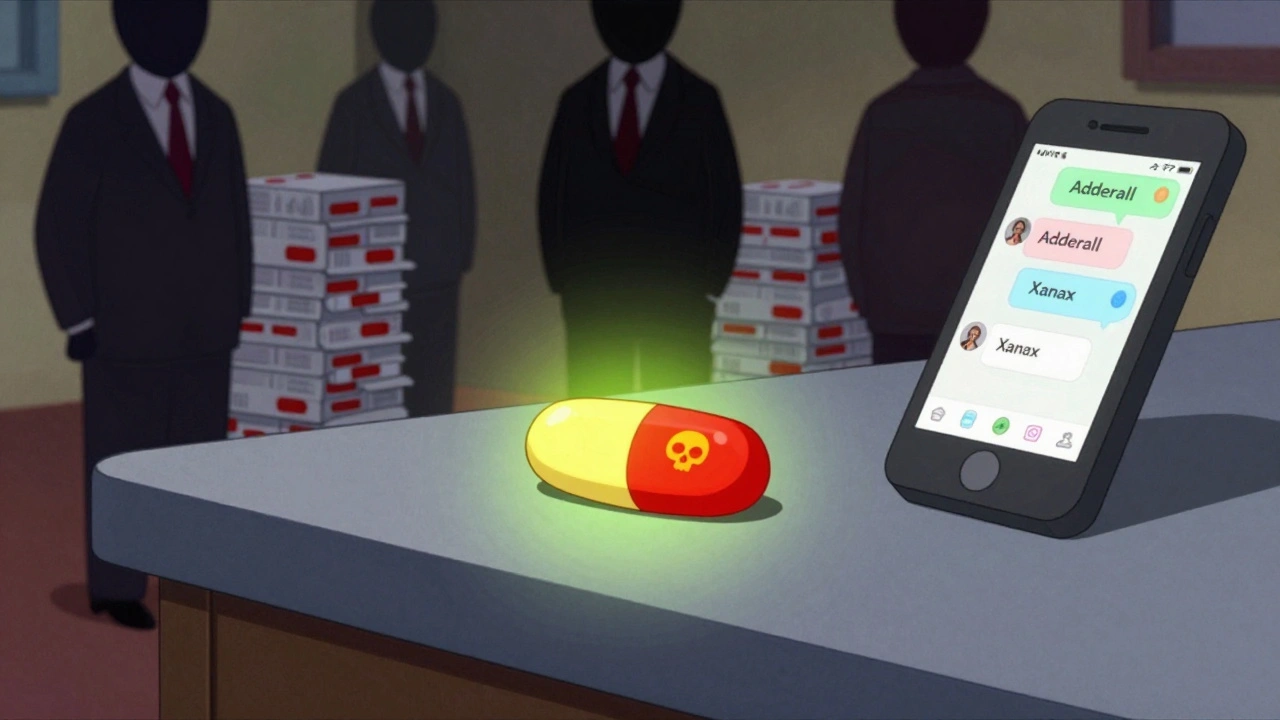
Fentanyl in Counterfeit Pills: Overdose Risks and How to Stay Safe
- Dec, 7 2025
- Daniel Remedios
- 11 Comments
Fentanyl in counterfeit pills is killing thousands. These fake drugs look real but contain deadly doses of synthetic opioid. Learn how to recognize the risks, use test strips, carry Narcan, and stay safe.