
The Engine Behind the Reports: How FAERS Works
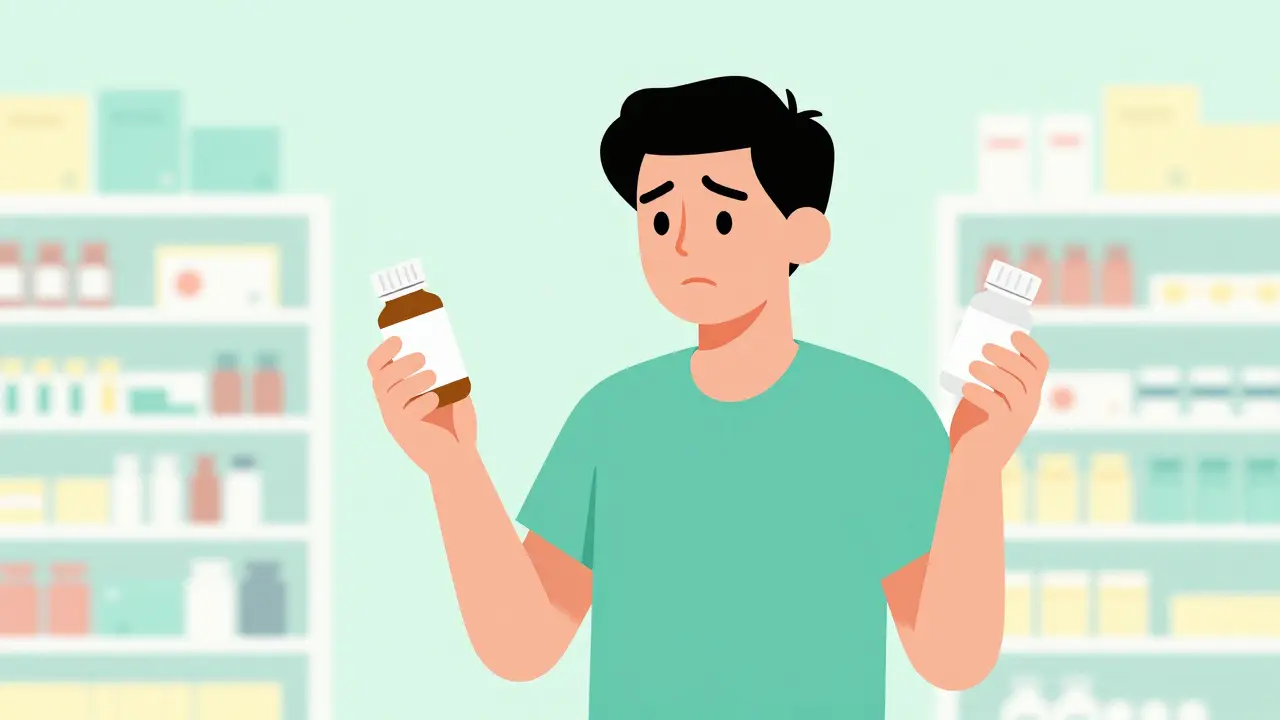
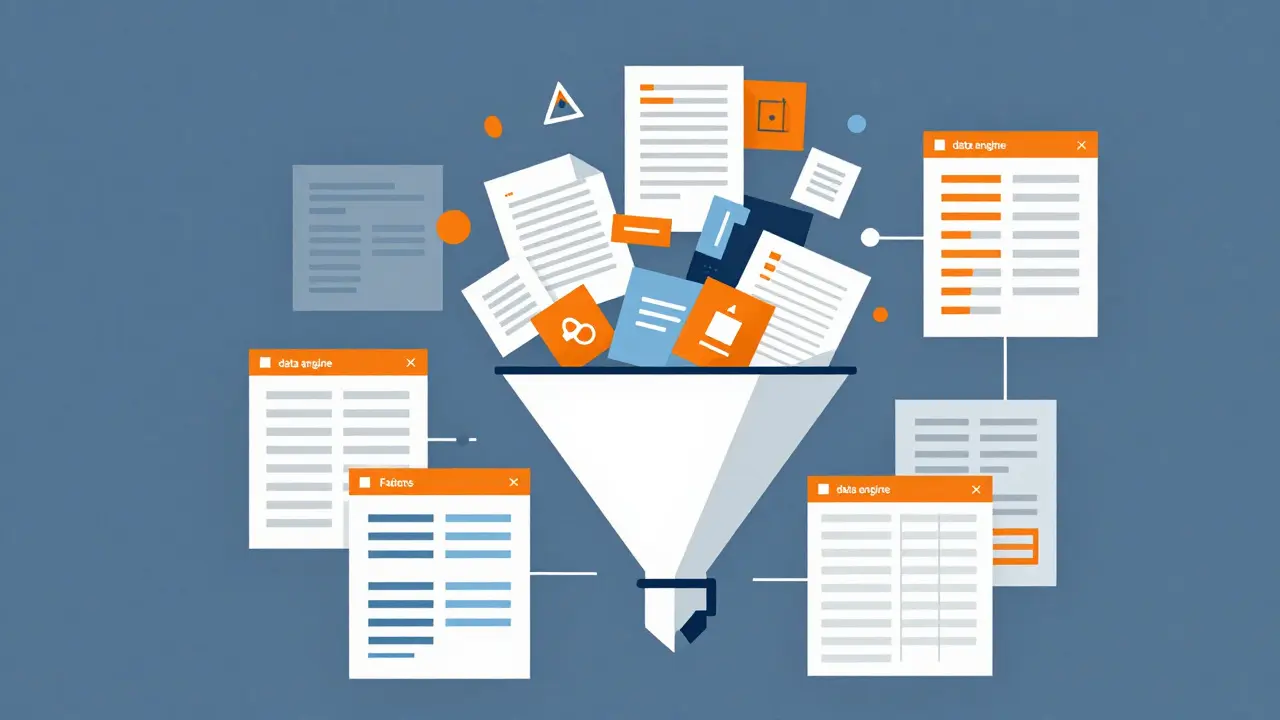
When you submit a report via the MedWatch portal or Form 3500, your data doesn't just sit in a folder. It feeds into the FDA Adverse Event Reporting System, commonly known as FAERS. Think of FAERS as a massive database-containing over 9 million reports as of 2023-that allows regulators to spot patterns in how drugs behave once they leave the controlled environment of a clinical trial. To keep things organized globally, FAERS follows the International Conference on Harmonisation (specifically the ICH E2B guidelines), which ensures that safety data is structured consistently. Every report is broken down into seven key tables: patient demographics, the specific drug reported, the adverse events, patient outcomes, the source of the report, therapy dates, and the reason the drug was being used. This structure allows the FDA to filter through millions of entries to see if a specific batch of medication is causing problems across different regions.The 'Generic Gap' in Safety Data
Here is the core problem: generics make up about 90% of the prescriptions filled in the U.S., but they are often under-reported or misidentified in safety databases. If a patient reports a reaction to "sertraline," the system might not know if they took the brand-name Zoloft or a version made by one of a dozen different generic manufacturers. This creates a significant blind spot. For instance, FDA data shows that while nearly 90% of brand-name reports correctly identify the manufacturer, only about 32.7% of generic reports do the same. Without the manufacturer's name, the FDA can't tell if a safety issue is caused by the active ingredient itself or a specific flaw in one company's manufacturing process. This is why you'll often see experts talking about "therapeutic inequivalence"-that frustrating feeling where a generic drug just doesn't work as well as the brand-name version did.| Metric | Brand-Name Reports | Generic Reports |
|---|---|---|
| Manufacturer Identification Rate | 89.4% | 32.7% |
| NDC Code Inclusion (Consumer) | High | ~28.3% |
| Reporting Volume (Market Share) | Lower | Higher (~90% of scripts) |
How to Report Generic Issues Effectively
If you're a patient or a healthcare provider, the way you fill out a MedWatch form can be the difference between a report that is ignored and one that triggers an investigation. The biggest mistake people make is simply writing "generic [drug name]." To make a report actionable, you need to provide the National Drug Code, or NDC, which is the unique 10 or 11-digit number found on the medication packaging. This code tells the FDA exactly who made the drug, the dosage, and the package size. For those submitting reports, here is the most effective way to document a generic product:- Start with the generic name followed by the word "generic."
- Include the manufacturer's name (e.g., "Sertraline generic, manufactured by Teva").
- Locate the NDC number on the bottle or box and enter it explicitly.
- Describe the change: If you switched from brand to generic and noticed a difference, explicitly mention "therapeutic failure" or "inequivalence."
Real-World Impact: From Reports to Action
Does this voluntary reporting actually change anything? Yes. A great example happened in 2022 with a generic version of bupropion XL made by Mylan. After multiple MedWatch reports flagged therapeutic failure-meaning the drug wasn't providing the expected clinical benefit-the FDA launched an investigation. Within 11 months, the reports led to actual labeling changes. Another example comes from the pharmacy world. Some pharmacists have reported submitting dozens of entries regarding levothyroxine generics (a drug where tiny dosage differences can have huge impacts on thyroid health). While the FDA doesn't respond to every report, these cumulative data points eventually force a regulatory look at how those generics are being manufactured.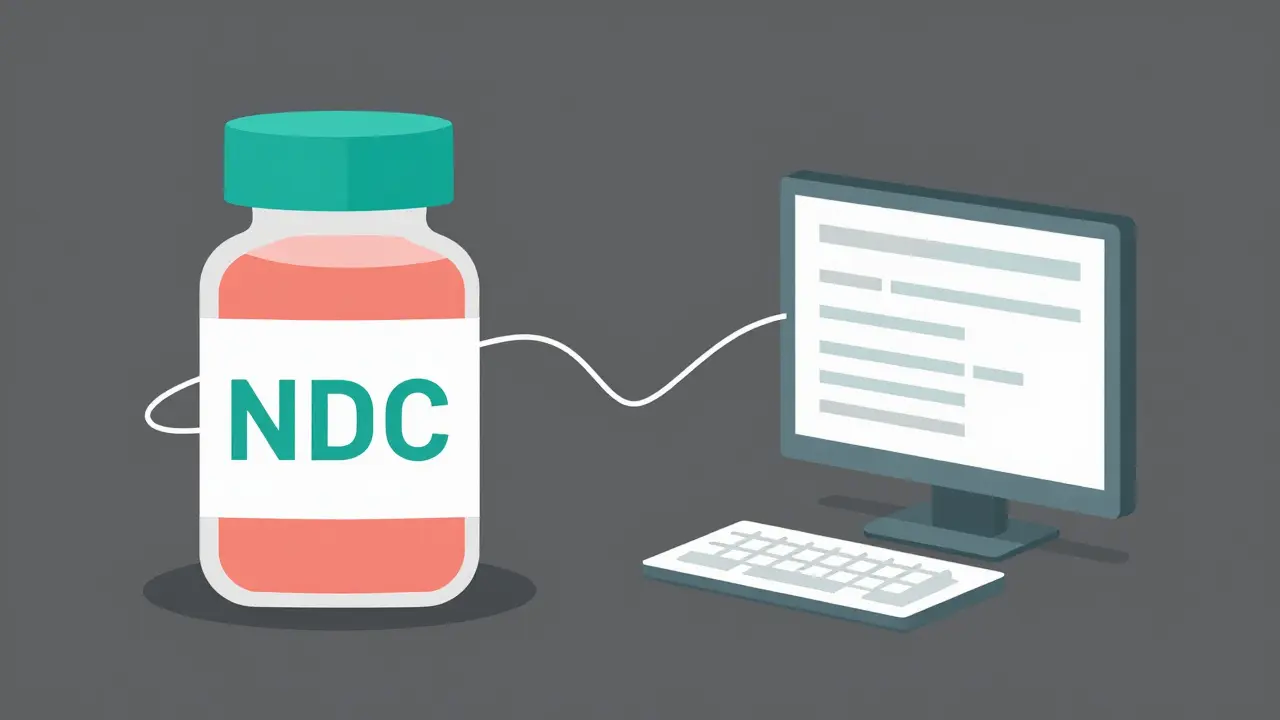
The Future of Generic Surveillance
The FDA is currently trying to close the "generic gap" using technology. As of January 2024, they've integrated a new algorithm into FAERS that can distinguish between brand and generic products with about 92.4% sensitivity. This means the system is getting better at automatically flagging a drug as a generic even if the reporter forgot to specify it. Looking ahead to 2026, the FDA is planning to integrate MedWatch directly with electronic health record (EHR) systems. This would be a game-changer because it would automatically pull the NDC code and manufacturer from the pharmacy's dispensing record, removing the human error of a patient forgetting which bottle they have in their cabinet. This shift from "voluntary memory" to "automated data" is expected to significantly increase the number of generic-specific safety signals detected.Is MedWatch reporting mandatory for patients?
No, MedWatch is a voluntary system. While manufacturers are required to report certain adverse events they become aware of, patients and healthcare providers choose to report their experiences to help the FDA monitor the safety of drugs in the general population.
What is 'therapeutic inequivalence' in generic reporting?
Therapeutic inequivalence occurs when a patient feels a generic drug does not produce the same clinical effect as the brand-name version, or causes different side effects, despite the drug being officially rated as bioequivalent.
Where can I find the NDC number for my generic medication?
The National Drug Code (NDC) is usually printed on the prescription label provided by the pharmacy or on the original manufacturer's packaging. It is a series of numbers (often formatted as 0000-000-00) that uniquely identifies the drug product.
Does the FDA respond to every MedWatch report?
Generally, no. Because of the massive volume of reports, the FDA focuses on identifying patterns and "signals" across many reports rather than providing individual feedback to every reporter.
Why is it harder to track generic safety than brand-name safety?
Brand-name drugs have one manufacturer, so any report for that drug automatically points to that company. Generics are made by many different companies; without a specific manufacturer name or NDC code, the FDA cannot tell which company's product caused the issue.
Next Steps for Reporting
If you suspect your generic medication is causing an issue, don't just stop taking it-do that first by talking to your doctor. Once your immediate health is managed, take these steps:- Save the packaging: Keep the box or bottle so you have the NDC number.
- Note the timing: Record exactly when you started the generic and how soon the reaction occurred.
- Use the online portal: Visit the official FDA MedWatch website for the fastest submission.
- Be specific: Use the "generic [name], [manufacturer]" format to ensure your data is useful for researchers.