
Imagine landing in a beautiful new city, only to have your essential medication confiscated at the airport because you didn't have a specific piece of paper. It happens more often than you'd think. In fact, a huge number of travelers-especially those carrying medications for mental health or chronic pain-find themselves in legal hot water because they assumed their home country's laws applied everywhere. The reality is that border and customs rules for bringing medications across borders are a complex web of national laws and international treaties that can change overnight.
Whether you're heading to a beach in Thailand or a business meeting in New York, the goal is simple: keep your health stable without ending up in a customs interrogation room. To do that, you need to move beyond "guessing" and start documenting. This guide breaks down how to navigate the current regulatory landscape, including the latest 2025 and 2026 updates, so you can travel with peace of mind.
The Essentials: What You Need to Know Right Now
Before you pack, you need to understand that customs officers aren't just looking for illegal drugs; they're looking for "unauthorized" medications. Even a common prescription in your home country might be a banned substance elsewhere. For instance, many stimulants used for ADHD, like Adderall, are strictly controlled or outright banned in several Asian and Middle Eastern countries.
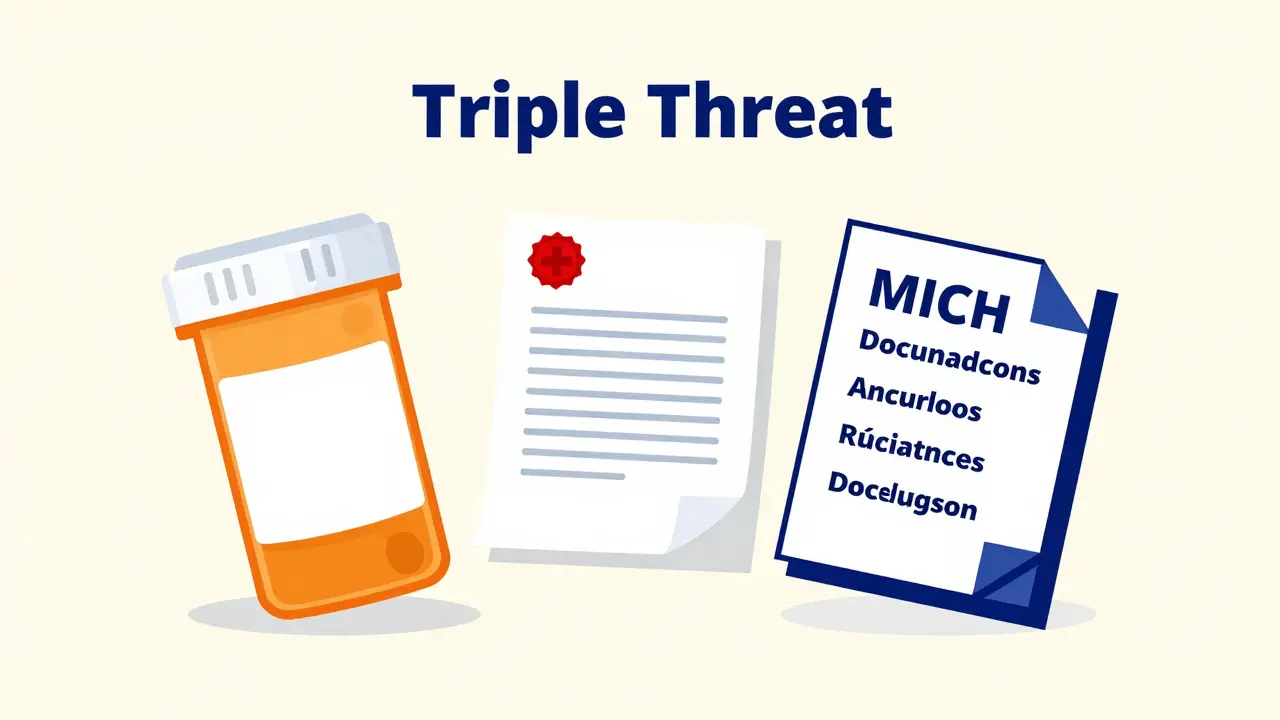
The gold standard for avoiding trouble is the "Triple Threat" of documentation: original packaging, a doctor's letter, and a translated prescription. If you're heading to a non-English speaking country, don't assume the officer speaks English. About 41 countries now mandate that prescriptions be translated into the local language to avoid delays.
| Region/Country | Typical Supply Limit | Key Requirement |
|---|---|---|
| United States | 90 Days | FDA-approved; Prescription label required |
| Canada | 180 Days | Health Canada Special Access Programme rules |
| European Union | 90 Days (varies) | EMA framework; Country-specific rules |
| Southeast Asia | Strict/Varies | High scrutiny on benzodiazepines and stimulants |
Navigating the United States: New 2025-2026 Rules
If the U.S. is your destination or transit point, you're dealing with three main agencies: the FDA (Food and Drug Administration), the CBP (Customs and Border Protection), and the DEA (Drug Enforcement Administration). The FDA generally allows a 90-day supply for personal use, but there's a catch for "controlled substances."
If your medication is a controlled substance, the DEA's jurisdiction kicks in. While many travelers breeze through, the DEA has significantly ramped up inspections of personal shipments and luggage since 2023 to prevent "diversion" (drugs being sold or shared). If you're shipping meds to yourself, be warned: the old $800 "de minimis" threshold-which allowed many low-value packages to enter duty-free-was suspended in August 2025. Now, almost all medication shipments are subject to potential duties and longer processing times, often jumping from 2 days to nearly 6 business days.
For those moving through security, the TSA (Transportation Security Administration) is generally lenient with pill-form meds. However, if you have liquid medications over 3.4 ounces (100ml), you must declare them. To make things easier, you can use the "TSA Cares" hotline or look for airports using sunflower lanyards, which discreetly tell staff you have a medical condition that requires extra patience or assistance.
The "Red Zone": Controlled Substances and High-Risk Meds
This is where most travelers get into trouble. Medications like Alprazolam (Xanax), Diazepam (Valium), or strong opioids like oxycodone are on restricted lists in nearly 87% of countries. In some Southeast Asian nations, bringing these without a very specific government permit can lead to immediate detention.
The INCB (International Narcotics Control Board) monitors these global standards. If you're unsure, check their database. A huge mistake people make is transferring pills into "weekly organizers." While convenient, doing this removes the pharmacy label. If you use a pill organizer, you must carry a photo or photocopy of the original prescription label and the original bottle. Without the link between the pill and the patient's name, customs agents may treat the substance as an illicit drug.
Step-by-Step Preparation Checklist
Don't wait until the night before your flight. Start this process 6 to 8 weeks before you leave. Some countries require authorization that can take a full month to process.
- Inventory Your Meds: List every medication, including the generic name (e.g., use "Acetaminophen" instead of just "Tylenol"). Generic names are recognized globally; brand names are not.
- Get the Doctor's Letter: Ask your physician for a signed letter on official letterhead. It should state your diagnosis, the necessity of the medication, the dosage, and the doctor's contact info.
- Verify with the Embassy: Contact the embassy of your destination country. This is the most effective way to confirm if your specific drug is legal. According to State Department data, this step solves about 89% of potential customs issues.
- Secure Original Packaging: Keep everything in the original pharmacy bottles. The labels provide the evidence that the medication was legally prescribed to you.
- Arrange Translations: If you're traveling to a country like Japan or China, get your prescription translated into the local language.
- Notify the Airline/TSA: If you use an insulin pump or a Continuous Glucose Monitor (CGM), let the airline and security know 72 hours in advance.
Common Pitfalls and How to Avoid Them
One of the biggest traps is the "Medical Tourism" gap. People traveling for treatment often forget that the medication they receive at a foreign clinic might be illegal to bring back home. For example, the DSCSA (Drug Supply Chain Security Act) in the U.S. now requires strict electronic tracing for imported drugs. If you bring back a large quantity of medication from a clinic in Mexico or Thailand, CBP may seize it if it doesn't have the proper serialization data.
Another common issue is the "hidden" controlled substance. Some cough syrups or nighttime sleep aids contain trace amounts of controlled ingredients. In strictly regulated regions, like parts of Africa or the Middle East, even a tiny amount of a controlled substance can trigger a legal issue. Always read the active ingredients list on your over-the-counter (OTC) meds.
Can I carry my medications in a pill organizer?
Yes, but it's risky. To avoid confiscation, you should always carry a photocopy or a clear photo of the original pharmacy label that matches the medication in the organizer. Better yet, keep the original bottles in your checked luggage and only put a few days' worth in the organizer for your carry-on.
How much medication can I legally bring into the US?
The FDA generally allows a maximum 90-day supply of prescription medication for personal use. This must be accompanied by a valid prescription and kept in original packaging.
What happens if my medication is banned in my destination country?
Depending on the country, it could range from simple confiscation at the border to criminal charges. This is why checking with the embassy 60 days before travel is critical. If a drug is banned, you may need to work with your doctor to find a legal alternative or apply for a special medical import permit from that country's health ministry.
Do I need to declare my medications at customs?
Yes. When in doubt, declare it. It is much better to have an officer tell you a medication is fine than to have them find a hidden bottle during a random search, which looks like you're trying to smuggle a substance.
Are there any new rules for 2026?
Yes, the European Union is moving toward harmonizing personal import limits at 60 days and tightening documentation for controlled substances. Additionally, the US is fully implementing interoperable electronic tracing for all imported prescription drugs as of January 1, 2026.
Next Steps for Different Travelers
For the Casual Traveler: If you only take a few common blood pressure or cholesterol meds, just keep them in their original bottles and carry a copy of your prescription. You'll likely be fine.
For those with Chronic Conditions (Diabetes, Autoimmune): Ensure you have a doctor's letter explaining your need for medical devices (pumps, CGMs) and refrigerated meds. Notify your airline about "cold chain" requirements for insulin or biologics.
For those on Controlled Substances: This is the high-risk category. Contact the destination embassy immediately. Use a generic-name letter from your doctor and consider a legal consultation if you're traveling to a country with "zero tolerance" drug laws, like Singapore or Saudi Arabia.