
Every year, over a million people in the U.S. end up in the emergency room because of bad reactions to their medications. Many of these cases aren’t accidents-they’re preventable. The truth is, medication risks don’t have to be your lifelong burden. You don’t need to rely solely on pills to stay healthy. Simple, everyday lifestyle changes can cut your risk of dangerous side effects, lower the number of pills you take, and even help you feel better than you have in years.
Why Medications Alone Aren’t Enough
Taking multiple medications sounds like a good idea-until it isn’t. When you’re on five or more prescriptions, your risk of a serious adverse reaction jumps by 300%. That’s not a small risk. It’s a major one. This is called polypharmacy, and it’s especially common in older adults, but it’s not just a senior issue. People with diabetes, high blood pressure, or high cholesterol often end up on several drugs at once, each with its own side effects, each interacting with the others in ways even doctors can’t always predict. The bigger problem? Medications treat symptoms, not causes. A blood pressure pill lowers your numbers, but it doesn’t fix why they went up in the first place. A diabetes drug helps your body use insulin, but it doesn’t reverse the inflammation, weight gain, or poor sleep that made the disease worse. Lifestyle changes, on the other hand, go straight to the root. They don’t just mask problems-they fix them.Move More, Take Fewer Pills
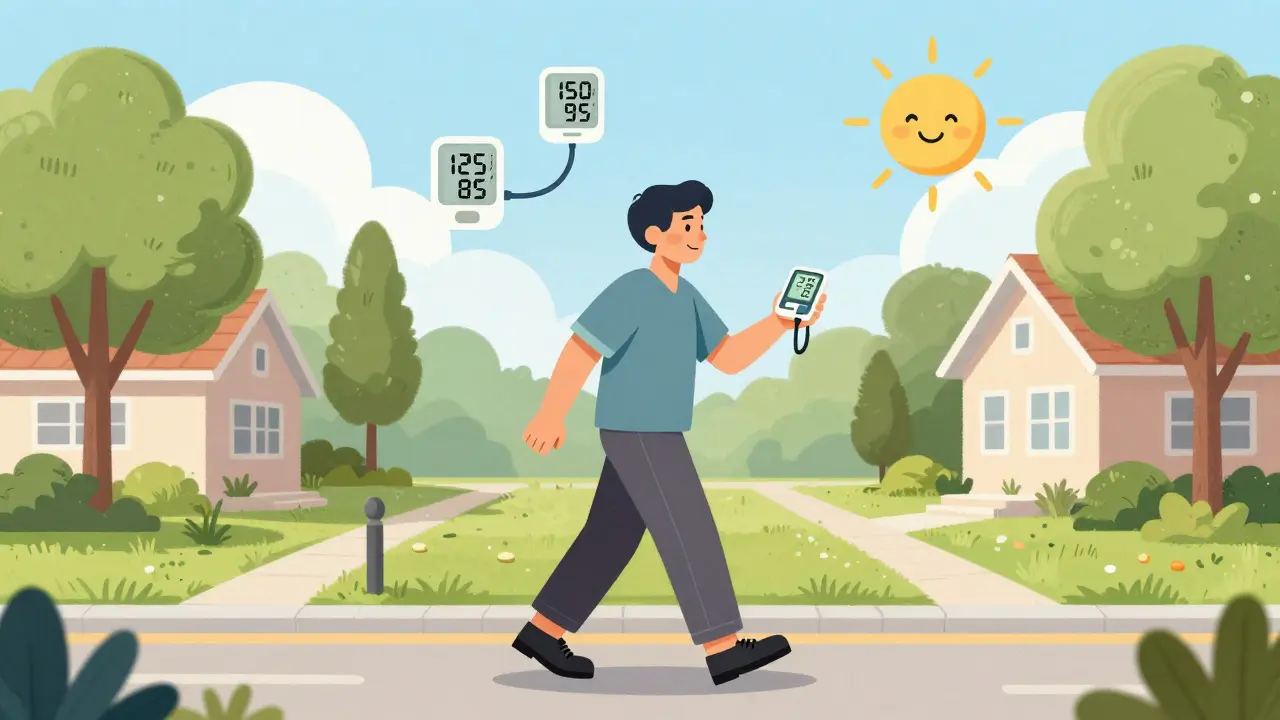
One of the most powerful tools you have? Walking. Not running. Not lifting heavy weights. Just brisk walking for 30 minutes, three times a week. That’s it. Research shows this simple habit can lower blood pressure as effectively as a single medication. Why? Because it makes your heart stronger. A stronger heart doesn’t have to work as hard to pump blood. That means lower pressure in your arteries. For people with Type 2 diabetes, adding daily movement cuts the need for medication by up to 40%. A 2023 study in JAMA Internal Medicine that looked at over 3.4 million people found that those who combined regular exercise with healthy eating reduced their medication use by 25-50%. You don’t need a gym membership. You don’t need fancy equipment. Just get up, get moving, and keep going. The American Heart Association recommends 150 minutes of moderate exercise each week-that’s 30 minutes, five days a week. Add two days of light strength training (like lifting groceries or doing bodyweight squats), and you’re hitting the sweet spot for heart health. The benefits start showing up after 8-12 weeks. That’s not instant, but it’s real. And it lasts.Eat Smart, Not Just Less
What you eat matters more than you think. For high blood pressure, cutting sodium can be just as effective as taking a pill. The DASH diet-short for Dietary Approaches to Stop Hypertension-was designed by researchers specifically to lower blood pressure without drugs. It focuses on vegetables, fruits, whole grains, lean proteins, and nuts. It cuts out processed foods, sugary drinks, and excessive salt. For diabetes, the right diet can stabilize blood sugar as well as medication. A 5-7% weight loss from better eating and movement can cut diabetes medication needs by up to 60% in people with prediabetes. That’s not magic. That’s science. Eating fewer refined carbs, more fiber, and healthy fats helps your body respond to insulin naturally. But here’s the catch: not all "healthy" foods are safe with every medication. Grapefruit can interfere with 85% of statins. Dark leafy greens like spinach and kale are full of vitamin K, which can mess with blood thinners like warfarin. Dairy can block the absorption of certain antibiotics. That’s why you need to talk to your pharmacist before making big changes. They know what’s in your meds and what might clash with your new diet.Sleep Like Your Life Depends on It
You’ve heard it before: sleep is important. But here’s the data: sleeping less than seven hours a night increases your risk of high blood pressure, Type 2 diabetes, and obesity. That’s not a coincidence. Poor sleep throws off your hormones, spikes your stress levels, and makes your body less sensitive to insulin. It’s like pouring gasoline on a fire that’s already burning from medication side effects. Aim for seven to nine hours of quality sleep every night. That means turning off screens an hour before bed, keeping your room cool and dark, and avoiding caffeine after 2 p.m. If you’re tossing and turning, try a short evening walk or 10 minutes of breathing exercises. Your body repairs itself during sleep. If you’re not sleeping enough, you’re not giving it a chance.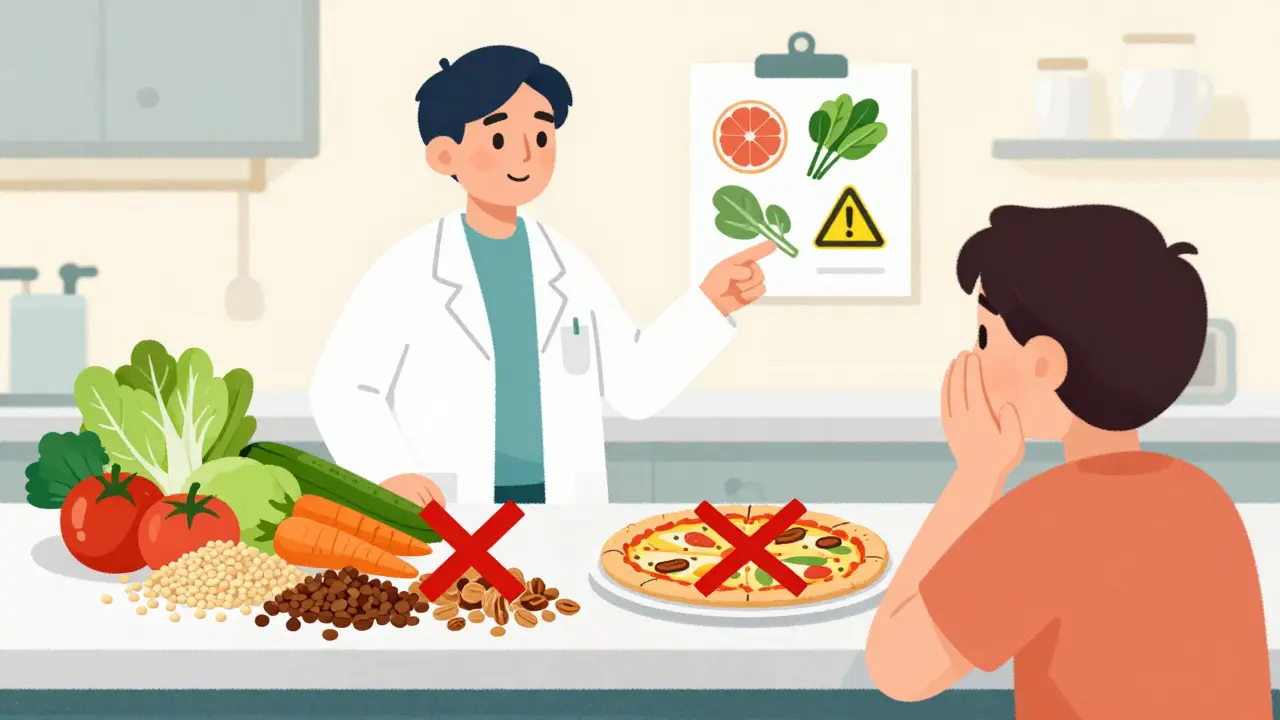
Quit Smoking, Cut Back on Alcohol
Smoking is one of the worst things you can do if you’re on medication. It damages your blood vessels, raises your blood pressure, and makes your heart work harder. Quitting smoking can reduce your risk of heart attack and stroke by 50% within one year. And yes-it can make your medications work better. Alcohol is trickier. A little isn’t always bad. For men, up to two drinks a day. For women, one. But if you’re on a statin, a blood thinner, or a diabetes drug, even one drink can increase side effects like liver damage or low blood sugar. Talk to your doctor about what’s safe for you. If you’re unsure, skip it. Better safe than sorry.Manage Stress Like Your Health Depends on It
Stress doesn’t just feel bad-it makes your blood pressure spike, raises your blood sugar, and triggers inflammation. Chronic stress can undo all the good work you’re doing with diet and exercise. You don’t need to meditate for an hour a day. Try 10 minutes of deep breathing before bed. Or take a walk without your phone. Or listen to music that makes you feel calm. Yoga, journaling, even gardening-all of these count. The goal isn’t to eliminate stress. It’s to give your body a chance to reset. A calm body responds better to treatment.Don’t Stop Your Meds-Work With Your Doctor
This is critical: lifestyle changes are not a replacement for medication. They’re a partner. You don’t quit your blood pressure pill because you started walking. You talk to your doctor. Together, you might reduce the dose. Or you might eliminate one pill entirely. But only if it’s done safely. A 2024 study from the Department of Veterans Affairs showed that people with Type 2 diabetes who took GLP-1 medications AND followed six healthy habits had far lower heart risks than those who only took the drug. The combination worked better than either alone. Your doctor isn’t your enemy. Your pharmacist isn’t just a pill dispenser. They’re your allies. Ask them: "Can we look at my meds and see if any could be reduced if I make these changes?" Most will say yes-if you’re ready to stick with the plan.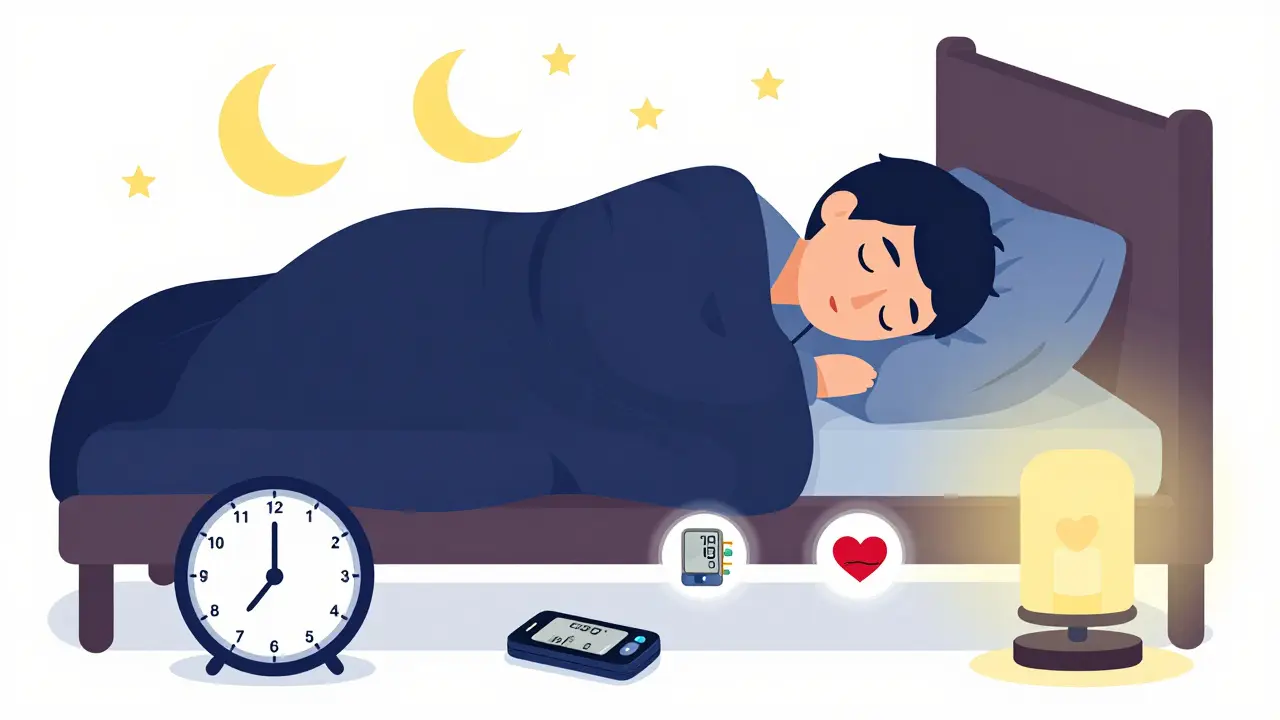
What Real People Have Done
One person on Reddit, "HypertensionWarrior," cut their sodium from 3,500 mg to 1,500 mg daily and started walking 30 minutes every morning. In six months, their blood pressure dropped from 150/95 to 125/80. Their doctor took them off one medication. No side effects. No drama. Another, "DiabetesJourney," struggled with the social side of eating differently. They missed pizza. They felt alone. But after joining a local cooking group focused on diabetes-friendly meals, they lost weight, lowered their A1C, and cut their insulin dose in half. It wasn’t easy. But it was worth it. The American Heart Association found that 68% of people with chronic conditions reported better quality of life after making lifestyle changes. The other 32%? They quit because it felt too hard. The difference? Support. Structure. Patience.How to Start Today
You don’t need to change everything at once. Pick one thing. Just one.- If you’re not walking: start with 10 minutes a day. Add 5 minutes every week.
- If you’re eating too much salt: swap one processed snack for an apple or a handful of nuts.
- If you’re not sleeping well: turn off screens 60 minutes before bed.
- If you’re unsure about food-drug interactions: call your pharmacist. Ask: "Are there any foods I should avoid with my meds?"
Rachidi Toupé GAGNON
Just started walking 20 mins a day and my BP dropped like a rock 🤯 No more dizziness, no more brain fog. Who knew sweat could be so medicinal? 😎
Craig Staszak
This is the kind of stuff we need more of instead of just popping pills every morning. Movement is medicine and food is your first pharmacy. Simple but so powerful. Keep it real
alex clo
While the general advice presented here is well-intentioned and supported by evidence, it is important to recognize that individual physiological responses vary significantly. A one-size-fits-all approach may not be appropriate for all patients with complex comorbidities.
Alyssa Williams
Yessss this is the vibe 💪 I was on 4 meds now down to 2 after 6 months of walking and swapping soda for sparkling water. No magic just consistency. You got this
Ernie Simsek
LMAO at people who think walking fixes everything 😂 I’m on 7 meds and my liver is one bad avocado away from a coma. Lifestyle changes? Cool. But don’t act like your kale smoothie is gonna replace warfarin. Real talk
Joanne Tan
So true about the sleep thing I used to think 5 hours was fine now I’m sleeping 8 and my sugar levels are stable for the first time in years 🤗 Just one change made all the difference
Reggie McIntyre
I love how this breaks it down without being preachy. I didn’t know grapefruit killed statins until my pharmacist yelled at me. Now I eat oranges and feel like a genius. Also the 10-minute walk thing? Game changer. No gym needed. Just show up.
Sonja Stoces
Who funded this? Big Pharma is pushing lifestyle changes so they can keep selling you meds later. Wake up. They don’t want you cured. They want you compliant. 🤔
Neha Motiwala
They don’t want you to know this but the real reason meds are overprescribed is because the government pays doctors per prescription. It’s a scam. I read a blog once that said 87% of doctors are in on it. And they’re all on the payroll. You think your doctor cares? They’re paid to keep you sick.
athmaja biju
In India we have been doing this for centuries. Ayurveda and yoga are superior to Western medicine. Why are you still using pills? Your body knows what to do. You just need to listen. We don’t need your drugs. We have turmeric and sun salutations.
Carla McKinney
It’s irresponsible to suggest people reduce medication without clinical supervision. This article dangerously oversimplifies complex medical conditions. You are not a doctor. You are not a researcher. You are not qualified to make these recommendations.
Ojus Save
im on metformin and started walking to the fridge less. lost 12lbs. not sure if its the walk or the fact i stopped eating cheez-its. either way my a1c went from 7.8 to 6.4. weird. but good.
Gabriella Adams
As a registered nurse who works in cardiology, I see this every day. Patients who combine lifestyle changes with meds don’t just live longer-they live better. More energy, fewer hospital visits, less anxiety. It’s not about perfection. It’s about progress. One step. One meal. One night of sleep. That’s how healing starts. You don’t have to be perfect. Just show up. I’ve seen it work. And I promise you-it’s worth it.